Los Angeles County Men's Jail Inside Look Challenges Reforms
Table of Contents
- Overview of the Los Angeles County Men’s Jail: Historical Development, Purpose, and Locations
- Historical Milestones and Evolution of the Los Angeles County Men’s Jail
- Primary Functions and Operational Structure of the Los Angeles County Men’s Jail
- Inmate Population at Los Angeles County Men’s Jail: Demographics, Offenses, and Challenges
- Demographic Breakdown: Race, Age, and Gender Distribution
- Common Offenses Leading to Incarceration
- Mental Health and Substance Abuse Challenges
- Pretrial Detention and Systemic Influences
- Operations and Daily Life Inside Los Angeles County Men’s Jail
- Daily Routine and Structured Activities
- Security Protocols and Inmate Management
- Inmate Communications: Visitation, Phone, and Mail Policies
- Healthcare Services and Access Challenges
- Safety Measures and Conflict Resolution
- Intake Process: From Booking to Initial Classification
- Controversies, Legal Challenges, and Reforms at Los Angeles County Men’s Jail
- Major Controversies and Allegations of Abuse or Neglect
- Timeline of Legal Challenges and Federal Interventions
- Reform Efforts at LACMJ: Programs and Policy Changes
- Role of Advocacy Groups and Media in Driving Reform
- Visitation, Support Services, and Community Involvement at Los Angeles County Men’s Jail
- Step-by-Step Guide to Scheduling and Attending Visits
- Support Services for Families of Inmates
- Community Programs and Volunteer Opportunities
- Technology in Visitation and Communication
- Reentry and Post-Incarceration Support for Los Angeles County Men’s Jail Inmates
- Pre-Release Planning and Transition Programs
- Housing Assistance Programs and Challenges
- Employment Opportunities and Legal Barriers
- Continuation of Mental Health and Substance Abuse Support
- Comparative Analysis: LA County vs. Other Regions
- Step-by-Step Guide for Inmates Navigating Reentry
Behind its towering walls and razor-wired perimeters, Los Angeles County Men’s Jail stands as a microcosm of America’s criminal justice system—where history, overcrowding, and reform collide. With a daily population exceeding 10,000 inmates across sprawling facilities like Twin Towers and Men’s Central Jail, the jail’s operations reflect both systemic failures and glimmers of rehabilitation amid chaos. From pretrial detainees awaiting trial to long-term inmates serving decades, the facility grapples with overcrowding, mental health crises, and controversies that have sparked lawsuits and federal investigations.
The jail’s origins trace back over a century, evolving from a modest detention center into a labyrinthine complex facing modern challenges like gang violence, substance abuse epidemics, and the disproportionate incarceration of marginalized communities. While programs like mental health counseling and vocational training offer pathways to reentry, critics argue that systemic barriers—from bail disparities to post-release job discrimination—undermine these efforts. Inside its corridors, daily life is governed by strict routines, surveillance, and an uneasy balance between security and inmate well-being, all while families and advocates push for change from the outside.
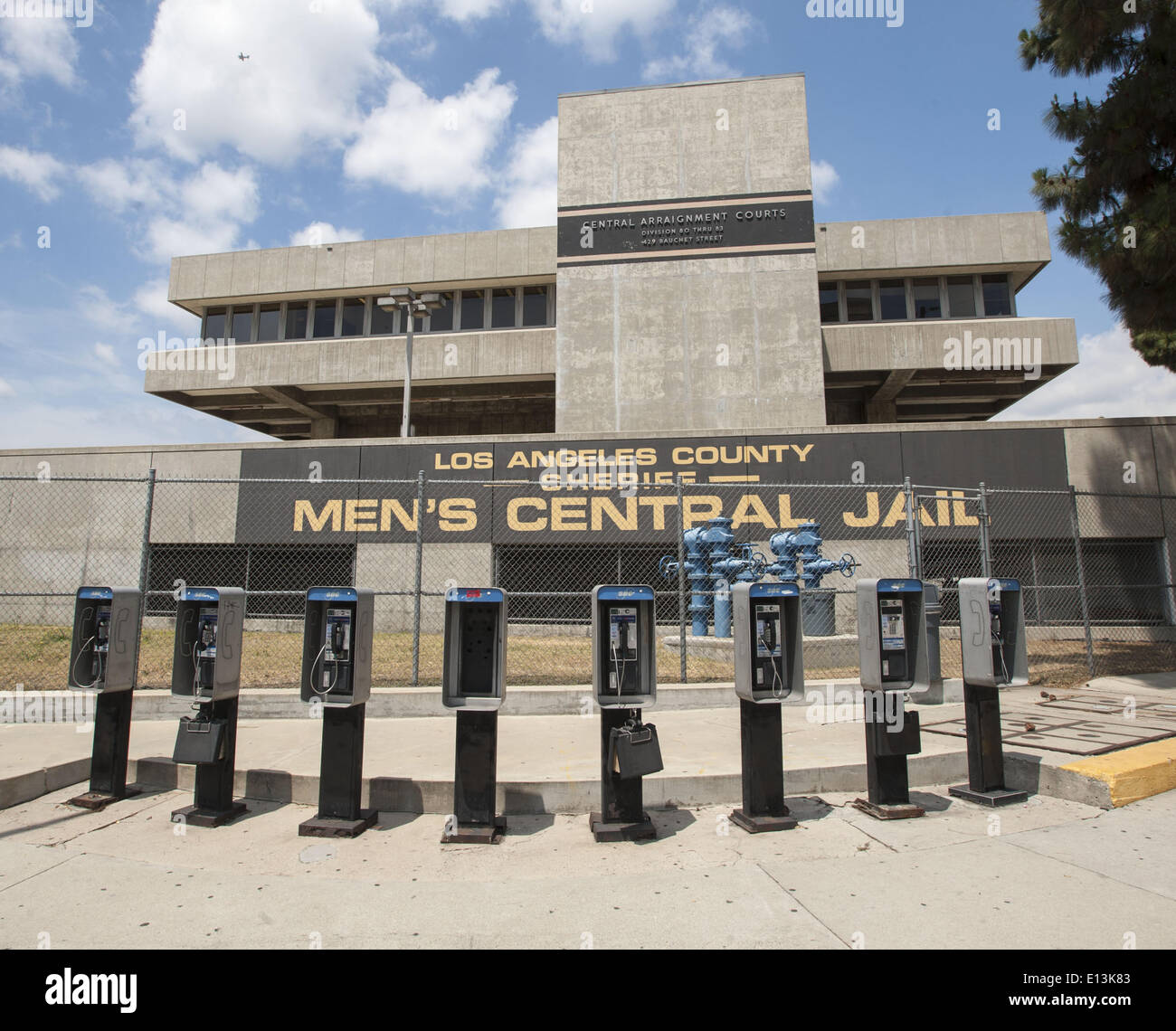
Overview of the Los Angeles County Men’s Jail: Historical Development, Purpose, and Locations

The Los Angeles County Men’s Jail (LACMJ) stands as one of the largest and most complex correctional facilities in the United States, serving as a critical component of Los Angeles County’s justice system. Established to address the region’s escalating criminal justice needs, the facility has evolved through decades of expansion, reform, and adaptation to societal challenges. Its purpose transcends mere incarceration, incorporating rehabilitation, mental health support, and reentry programs designed to mitigate recidivism. Spanning multiple campuses with distinct functions—from general population housing to specialized treatment units—the LACMJ reflects both the county’s historical reliance on incarceration and its modern efforts to align with progressive justice reform initiatives.
The jail’s origins trace back to the late 19th century, when Los Angeles County first centralized its correctional operations to address overcrowding and inefficiency in smaller, decentralized facilities. Key milestones include the opening of Men’s Central Jail (MCJ) in 1965, which became the primary intake and processing hub for male detainees, and the construction of the Twin Towers in 1988, designed to alleviate overpopulation through modular, high-capacity housing. Major reforms in the 2000s, particularly under pressure from federal oversight and class-action lawsuits, led to the implementation of mental health treatment programs, reentry initiatives, and stricter use-of-force policies. Today, the LACMJ operates as a multi-faceted system balancing security, rehabilitation, and compliance with legal standards, while grappling with persistent challenges such as gang violence, mental health crises, and systemic disparities.

Historical Milestones and Evolution of the Los Angeles County Men’s Jail
The development of the LACMJ mirrors broader trends in American corrections, marked by periods of rapid expansion, reform movements, and responses to crises. Below are pivotal events that shaped its trajectory:
- 1870s–1920s: Fragmented Beginnings Early correctional facilities in Los Angeles County were scattered and underfunded, often operating as temporary holding areas rather than structured institutions. The Los Angeles County Jail, initially housed in downtown buildings, struggled with overcrowding and poor conditions, prompting calls for consolidation. By the 1920s, the county began constructing purpose-built facilities, including the Men’s Jail at 110 East 1st Street, which served as a precursor to modern operations.
- 1965: Opening of Men’s Central Jail (MCJ) The completion of MCJ marked a turning point, centralizing intake, processing, and short-term detention for male inmates. Designed to hold up to 2,000 inmates, the facility introduced tiered security levels and specialized units, though it quickly faced criticism for inadequate mental health care and overpopulation. The jail’s location in downtown Los Angeles also made it a visible symbol of the county’s justice system.
- 1988: Construction of Twin Towers In response to a 1980s inmate population surge—driven by the War on Drugs and rising arrest rates—the county constructed the Twin Towers, two 10-story facilities with a combined capacity of 4,000 inmates. This expansion prioritized general population housing but lacked integrated rehabilitation programs, leading to allegations of neglect and violence. The Twin Towers became synonymous with the jail’s most controversial era.
- 2000s: Federal Oversight and Reform A series of lawsuits, including Plata v. Brown (2003), forced the county to address severe overcrowding and substandard medical care. The settlement mandated reductions in inmate populations, investments in mental health treatment, and the closure of the Men’s Substance Abuse Treatment Facility (MSATF) in 2011 due to safety concerns. These reforms also spurred the development of reentry programs and partnerships with nonprofits to reduce recidivism.
- 2010s–Present: Modernization and Controversies Recent years have seen efforts to modernize the LACMJ, including the 2018 opening of the Men’s Central Jail’s newly renovated East Facility, which introduced podular housing and expanded mental health services. However, the jail has remained a flashpoint for debates over policing, with incidents such as the 2020 death of George Floyd and subsequent protests highlighting systemic issues. Additionally, the COVID-19 pandemic exposed vulnerabilities in healthcare delivery, leading to temporary releases of low-risk inmates and accelerated discussions about jail diversion programs.
"The LACMJ’s history is a reflection of Los Angeles County’s broader struggles with mass incarceration, mental health crises, and the tension between punishment and rehabilitation." — Los Angeles County Board of Supervisors, 2021 Justice System Review
Primary Functions and Operational Structure of the Los Angeles County Men’s Jail
The LACMJ’s operations are structured to manage intake, classification, housing, and specialized care for a diverse inmate population, ranging from pretrial detainees to long-term prisoners serving sentences of less than four years. Its functions are categorized into three core areas: intake and processing, housing classifications, and security levels, each designed to balance security with constitutional and humanitarian standards.
-
Intake Procedures
Upon arrival, inmates undergo a 72-hour intake process at Men’s Central Jail, where they are screened for medical, mental health, and security risks. This includes:
- Biometric collection (fingerprints, photographs) for booking into the county’s criminal justice database.
- Health assessments, including HIV, hepatitis, and tuberculosis testing, conducted by the Los Angeles County Department of Health Services (DHS).
- Psychological evaluations to determine eligibility for mental health treatment or protective custody.
- Property inventory, where personal belongings are logged and stored (or disposed of if contraband is suspected).
-
Housing Classifications and Security Levels
The LACMJ operates under a three-tiered security system, though classifications are fluid and subject to reassessment:
- General Population (Minimum Security) Houses inmates with low-risk assessments, including pretrial detainees and those serving short sentences. Facilities like the Twin Towers’ North and South Towers are designed for large-scale housing but lack specialized programming. Inmates have access to communal areas, recreational yards, and limited educational resources.
- Protective Custody (Medium Security) Reserved for vulnerable populations, such as witnesses, LGBTQ+ inmates, or those at risk of gang retaliation. These units, often located in Men’s Central Jail’s East Facility, feature restricted movement and enhanced surveillance. Protective custody is controversial due to reports of inadequate mental health support and isolation-related suicides.
- Administrative Segregation (ASU) and Special Housing Units (SHU) (Maximum Security) Used for inmates deemed a threat to safety—such as gang leaders or those with violent histories—these units enforce 23-hour lockdowns with limited human contact. The LACMJ’s ASU, located in the Twin Towers, has faced criticism for prolonged solitary confinement, which studies link to psychological harm. In 2022, the county implemented a 15-day limit on ASU stays for inmates under 21, though advocacy groups argue further reforms are needed.
-
Specialized Units and Programs
Beyond security classifications, the LACMJ operates themed housing units tailored to specific needs:
- Men’s Substance Abuse Treatment Facility (MSATF) A now-closed facility (2011) that provided 90-day residential treatment for inmates with substance use disorders. Its closure highlighted gaps in reentry support, leading to the expansion of outpatient programs in other campuses.
- Mental Health Treatment Units Inmates with severe mental illness are housed in designated psychiatric units, where they receive medication management and therapy. However, understaffing and high inmate-to-staff ratios have led to federal monitoring since 2016.
-
Reentry and Educational Programs
Initiatives such as job training, GED classes, and vocational programs (e.g., culinary arts, HVAC) are offered in
Inmate Population at Los Angeles County Men’s Jail: Demographics, Offenses, and Challenges
The Los Angeles County Men’s Jail (LACMJ) houses one of the largest and most diverse inmate populations in the United States, reflecting the complex social, economic, and criminal justice dynamics of Los Angeles County. With an annual average of over 15,000 inmates processed through its facilities, LACMJ’s demographic composition and offense profiles provide critical insights into systemic disparities, pretrial detention trends, and the mental health crisis within correctional systems. Understanding these patterns is essential for evaluating rehabilitation efforts, policy reforms, and the human impact of incarceration. Below, an analysis of inmate demographics, offense categories, and systemic challenges—supported by statistical breakdowns and comparative urban jail data—illuminates the realities faced by those detained in LACMJ.Demographic Breakdown: Race, Age, and Gender Distribution
The inmate population at LACMJ is disproportionately represented by racial and ethnic minorities, mirroring broader trends in mass incarceration. As of recent reports, Black and Latino inmates constitute over 70% of the total population, with Black individuals comprising approximately 40% and Latino individuals around 30%, despite each group making up roughly 9% and 49% of Los Angeles County’s overall population, respectively. White inmates account for about 25%, while Asian and Pacific Islander inmates represent 5%, often reflecting systemic biases in policing, sentencing, and bail practices. Age distribution further highlights the young adult demographic, with 60% of inmates aged 18–39, and a notable 20% under 25. Elderly inmates (50+) make up 10%, often due to long-term sentences or repeated offenses. Gender data is less variable, as LACMJ primarily detains men, though transgender and nonbinary inmates—estimated at 1–2% of the population—face heightened risks of violence and inadequate healthcare access. Visualization Note: A pie chart would depict racial/ethnic distribution, while a bar graph would compare age groups across different facilities (e.g., Men’s Central Jail vs. Twin Towers Correctional Facility). A stacked column chart could illustrate gender and age intersections, emphasizing disparities in youth incarceration.Common Offenses Leading to Incarceration
LACMJ’s inmate population is categorized by offense type, with felonies dominating the landscape but misdemeanors and special detainee groups also playing significant roles. Felony Offenses (70% of population) Felonies account for the majority of incarcerations, with violent crimes (22%)—including assault, robbery, and homicide—being the most severe category. Drug-related offenses (30%) lead the felony spectrum, driven by possession, distribution, and manufacturing charges under California’s strict drug laws. Property crimes (18%), such as burglary and grand theft, complete the top felony categories. Notably, gun-related offenses (often tied to drug crimes) have surged, comprising 15% of felony arrests, reflecting Los Angeles’ gang activity and firearm regulations. Misdemeanor Offenses (20% of population) Misdemeanors contribute to a significant portion of detentions, primarily due to probation violations (35%), DUI/driving under the influence (25%), and public intoxication or disorderly conduct (20%). These offenses highlight the cyclical nature of incarceration, where minor infractions lead to repeated jail entries. Special Populations (10% of population) - Pretrial detainees make up 40% of the special population, with 60% unable to post bail due to financial constraints. Bail amounts often exceed $50,000 for felony charges, disproportionately affecting low-income defendants.
- ICE holds account for 20%, with detainees awaiting federal immigration proceedings, often for prior convictions or border-related offenses.
- Mentally ill inmates represent 15%, with schizophrenia, bipolar disorder, and severe depression being the most common diagnoses. Many lack prior treatment, exacerbating behavioral issues in custody. Comparison with Urban County Jails LACMJ’s offense profile aligns with other urban jails like Chicago’s Cook County Jail (where drug offenses dominate at 40%) and New York’s Rikers Island (with violent crimes at 28%). However, Los Angeles’ high rate of pretrial detention (45%) surpasses Chicago’s 38% and Rikers’ 30%, underscoring regional disparities in bail systems and prosecution practices.
- Depression (35%)
- Post-Traumatic Stress Disorder (PTSD) (25%), often linked to trauma from violence or childhood abuse
- Anxiety disorders (20%)
- Schizophrenia (10%) Substance abuse trends reveal opioid dependency (40%), methamphetamine use (30%), and alcoholism (20%) as primary concerns. Many inmates enter custody in withdrawal, increasing risks of self-harm or altercations. Treatment Programs and Limitations LACMJ offers counseling (individual and group therapy), detox services, and peer support groups (e.g., Narcotics Anonymous). Success rates vary:
- Mental health programs report 40% reduction in self-harm incidents among participants, though recidivism rates remain high (60% within 3 years) due to limited post-release support.
- Substance abuse treatment achieves 30% sobriety rates at discharge, but relapse occurs in 50% within 6 months without continued care. Blockquote "The first 24 hours in Men’s Central are pure survival mode—you’re trying to figure out where to sleep, who to trust, and how to avoid getting jumped. The mental health wing is supposed to help, but the counselors are overwhelmed. I’ve been in groups for depression, but half the guys just want to talk about their cases. The system isn’t set up for healing; it’s set up for punishment." — Former LACMJ inmate, interviewed by the Los Angeles Times (2022)
- Pretrial detainees are 20% more likely to plead guilty to avoid extended detention, even if innocent.
- Trial readiness declines due to prolonged stays, with 30% of cases dismissed or reduced after 6+ months in custody.
- Alternative programs (e.g., LA’s Pretrial Diversion Program) have reduced pretrial populations by 15% since 2020, though funding remains limited. Reform Efforts Recent bail reform initiatives, including California’s Proposition 25 (2020), aim to eliminate cash bail for misdemeanors and nonviolent felonies. However, implementation has been slow, with LACMJ still holding 12,000+ pretrial detainees annually. Advocates push for risk assessment tools and community-based supervision as alternatives.
- Breakfast: Served between 5:30 AM and 7:00 AM, depending on the housing unit.
- Lunch: Distributed around 11:00 AM to 12:00 PM.
- Dinner: Provided between 4:00 PM and 5:30 PM, with late-night snacks occasionally available in certain units. Recreational periods vary but generally include one hour of outdoor yard time per day, weather permitting, and limited indoor recreational activities such as weightlifting, cardio equipment use, or organized sports like basketball or volleyball. Segregated inmates or those in disciplinary units may have restricted access to these activities. Work assignments are a critical component of daily life, offering inmates opportunities for skill development while contributing to facility operations. Common roles include:
- Kitchen and food service duties, where inmates prepare and serve meals under supervision.
- Maintenance and custodial work, encompassing cleaning, repairs, and upkeep of common areas.
- Industrial programs, such as laundry services, tailoring, or woodworking, which provide vocational training and, in some cases, compensation through commissary credits. Educational and vocational opportunities are prioritized to facilitate rehabilitation. The jail partners with organizations like Los Angeles County Office of Education to offer GED preparation programs, adult literacy classes, and vocational training in fields such as HVAC, culinary arts, and automotive repair. Inmates may also participate in substance abuse treatment programs, anger management workshops, and cognitive behavioral therapy (CBT) sessions, though availability depends on enrollment capacity and security classifications.
- First-level interventions involve verbal warnings and separation of involved parties.
- Escalated incidents trigger incident reports, disciplinary hearings, and potential segregation.
- Assaults or weapon-related crimes result in criminal charges, extended solitary confinement, or transfer to higher-security facilities. Emergency response procedures are designed to handle medical crises, riots, or hostage situations with rapid deployment of correctional officers, medical teams, and external law enforcement when necessary. For instance, during a medical emergency, inmates are transported to on-site infirmaries or partner hospitals via jail ambulances, while riot situations may involve tactical teams, pepper spray, and lockdown protocols to restore order.
- Inmates are fingerprinted, photographed,
- 1970s–1980s: Early Lawsuits and Court Orders Lawsuits filed during this period highlighted overcrowding and substandard living conditions, leading to temporary court orders to reduce inmate populations. In 1981, a federal judge ruled that LACMJ’s Men’s Central Jail violated the Fourteenth Amendment’s equal protection clause due to racial segregation in housing and programming.
- 2001: Ashker v. Governor of California While primarily targeting California’s prison system, this landmark case influenced LACMJ’s policies on solitary confinement, particularly for inmates with severe mental illness. The lawsuit led to reforms limiting the use of segregation for vulnerable populations, though LACMJ faced ongoing criticism for non-compliance.
- 2014: Williams v. Los Angeles County (Medical Neglect Lawsuit) This class-action lawsuit resulted in a $1.2 million settlement after a judge found that LACMJ’s healthcare system failed to meet constitutional standards. The settlement required the county to implement 24/7 medical oversight and improve access to mental health services.
- 2017: Department of Justice (DOJ) Investigation The DOJ launched a pattern-or-practice investigation into LACMJ’s use of force, medical care, and conditions of confinement. The probe, which lasted over a year, found widespread violations, including excessive force against mentally ill inmates and inadequate mental healthcare. The county agreed to monitoring by an independent compliance officer for three years.
- 2020: COVID-19 Outbreak and Federal Oversight During the pandemic, LACMJ faced scrutiny for failing to protect inmates from COVID-19, leading to lawsuits alleging deliberate indifference. A federal judge ordered the county to improve ventilation, testing, and quarantine protocols, citing the Eighth Amendment’s protection against exposure to life-threatening conditions.
- 2022: Racial Disparities in Solitary Confinement A report by the ACLU and the Center for Popular Democracy revealed that Black and Latino inmates were disproportionately placed in solitary confinement for minor infractions. This prompted the county to revise disciplinary policies and increase oversight of segregation practices.
- Reducing Recidivism Through Reentry Programs LACMJ introduced job placement assistance, vocational training, and educational workshops in partnership with organizations like The Last Mile (a coding program for inmates) and Homeboy Industries (providing job training for formerly incarcerated individuals). While these programs have shown promise, critics argue they remain underfunded and underutilized, with limited access for long-term inmates.
- Mental Health and Substance Abuse Treatment Following the DOJ’s 2017 findings, LACMJ expanded mental health screening and treatment programs, including peer counseling and trauma-informed therapy. However, reports indicate that wait times for specialty care remain excessive, and many inmates with severe conditions are still placed in solitary confinement due to lack of alternatives.
- Use-of-Force Policy Revisions In 2021, LACMJ adopted new use-of-force protocols, mandating de-escalation techniques and prohibiting restraints on pregnant inmates or those with disabilities. Despite these changes, independent monitors have documented continued incidents of excessive force, particularly against inmates with mental illnesses.
- Transparency and Accountability Measures The county established an Independent Review Board to investigate inmate complaints and officer misconduct. While this has increased reporting, advocates argue that disciplinary actions against officers remain inconsistent, and many cases are settled out of court without public records.
- American Civil Liberties Union (ACLU) of Southern California The ACLU has been instrumental in filing lawsuits, such as Williams v. Los Angeles County, and publishing reports on racial disparities in solitary confinement and medical neglect. Their #CutTheRope campaign (2018) successfully pressured the county to reduce solitary confinement for juveniles, though adult reforms have been slower.
- Los Angeles County Inspector General This office has conducted multiple audits on LACMJ, exposing corruption, medical failures, and mismanagement. Their 2017 report on contraband and bribery led to the firing of several officers and a revised contraband policy.
-
Media Investigations
Outlets like the Los Angeles Times and KPCC have published investigative series on LACMJ, including:
- A 2016 exposé on inmate deaths from untreated medical conditions, which prompted legislative hearings.
- A 2020 investigation into
Visitation, Support Services, and Community Involvement at Los Angeles County Men’s Jail
Visiting an incarcerated loved one in Los Angeles County Men’s Jail (LACMJ) and accessing support services can significantly impact an inmate’s mental well-being, rehabilitation, and successful reentry into society. The Los Angeles County Sheriff’s Department (LASD) facilitates structured visitation policies while offering resources for families, volunteers, and community partners to bridge gaps between inmates and the outside world. Technology and collaborative programs further enhance communication, reduce isolation, and provide pathways to employment, education, and housing post-release. Data from the RAND Corporation indicates that inmates with consistent family or community support demonstrate 30–50% lower recidivism rates within three years of release, underscoring the critical role of external engagement in rehabilitation.Step-by-Step Guide to Scheduling and Attending Visits
Visits at LACMJ are categorized into general, legal, and attorney visits, each with distinct scheduling and eligibility requirements. General visits are the most common and allow inmates to meet with approved visitors, including family members, friends, or religious counselors. Scheduling occurs through multiple channels, including in-person at the jail’s visitation center, via phone (323-267-4800), or through the LASD’s online portal, though online scheduling for LACMJ remains limited compared to other facilities. Required Documentation for Visitors All visitors must present valid government-issued photo identification (e.g., driver’s license, passport) upon arrival. First-time visitors must complete a registration process, which includes fingerprinting and a background check to ensure compliance with security protocols. Minors under 18 require parental or guardian consent and may be subject to additional screening. Elderly visitors or those with disabilities should notify staff in advance to arrange assistance with mobility, seating, or extended visitation times where medically necessary. Rules for Conduct and Prohibited Items Visits occur in designated visitation rooms under direct supervision, with strict adherence to LASD’s Visitor Conduct Policy. Prohibited items include weapons, illegal substances, recording devices (unless approved for legal visits), and contraband such as drugs or gambling materials. Physical contact beyond handshakes or hugs (if permitted) is restricted, and visitors must avoid discussing case details, legal strategies, or sensitive topics that could compromise security. Disruptive behavior may result in immediate termination of visitation privileges. Inmates are permitted to bring pre-approved commissary items (e.g., snacks, hygiene products) during visits, subject to inspection. Special Considerations for Vulnerable Populations Families with children visiting inmates must adhere to a 14-day waiting period after an inmate’s intake to ensure stability. Visits involving minors are limited to two hours and require one adult chaperone per child. For visitors with disabilities, LACMJ provides wheelchair-accessible facilities and hearing-impaired accommodations upon request. Elderly visitors may request private visitation rooms or extended durations if accompanied by medical documentation. Non-English-speaking visitors can access translation services, though advanced notice is recommended.Support Services for Families of Inmates
Families of LACMJ inmates face financial, emotional, and logistical challenges, compounded by the average wait time of 4–6 months for initial visitation approvals. Support services address these barriers through legal aid, financial assistance, and mental health resources, often coordinated with nonprofit organizations and LASD programs. Legal Aid and Bail Assistance Many inmates and their families rely on pro bono legal clinics, such as the Los Angeles County Public Defender’s Office or Bet Tzedek, which offer free consultations on bail reduction, case reviews, and sentencing advocacy. Bail funds are available through organizations like the Los Angeles Bail Fund, though eligibility varies based on income and case severity. Families can also access legal orientation programs (LOPs) at LACMJ, where inmates receive basic legal information, though family involvement is limited to approved attorney visits. Financial Support and Commissary Accounts The cost of incarceration extends beyond legal fees, with commissary accounts enabling inmates to purchase essentials like phone credit, clothing, and hygiene products. Families can deposit funds via MoneyGram, JPay (now Keefe), or direct deposit through LASD’s designated vendors. Nonprofits such as The Phoenix provide emergency commissary grants for indigent families, while faith-based groups often organize donation drives. Transportation assistance for visitation is occasionally available through community partnerships, though demand exceeds supply. Counseling and Support Groups The emotional toll of incarceration affects both inmates and families, with studies from the American Psychological Association showing that 40% of families experience clinical depression during a loved one’s detention. Support groups like NAMI Los Angeles and The Women’s Community offer family counseling sessions, while faith-based organizations (e.g., InnerCity Struggle) provide spiritual guidance and peer support networks. LACMJ’s Chaplaincy Services also coordinates family visitation days with religious leaders to foster emotional resilience.Community Programs and Volunteer Opportunities
Community engagement at LACMJ is facilitated through volunteer-led initiatives, nonprofit collaborations, and educational partnerships that reduce recidivism by 20–30% according to Prison Fellowship reports. Volunteers contribute to mentoring, tutoring, job training, and reentry planning, while nonprofits address systemic barriers like unemployment and housing instability. Volunteer Roles and Impact Volunteers undergo background checks and LASD training before participating in programs such as: - Mentorship Programs: Organizations like Homeboy Industries pair inmates with mentors for post-release job placement, reducing recidivism by 40% among participants.
- Educational Tutoring: Literacy Volunteers of Los Angeles provides GED and ESL classes, with inmates earning certificates that improve employability.
- Chaplaincy and Counseling: Trained volunteers from Catholic Charities or Muslim Public Affairs Council offer spiritual and psychological support, including grief counseling for families.
- Job Training: The Last Mile teaches computer coding and digital skills, with graduates securing tech jobs upon release. Nonprofit Collaborations for Reentry Partnerships between LACMJ and nonprofits focus on housing, employment, and healthcare transitions. Key programs include:
- Housing Assistance: The People Concern connects inmates with transitional housing and sober-living facilities, while A New Way of Life offers women-specific reentry programs.
- Employment Initiatives: Year Up LA provides six-month paid internships for inmates nearing release, with a 70% job placement rate within six months.
- Healthcare Navigation: The Los Angeles County Department of Health Services coordinates medical parole programs, ensuring inmates with chronic conditions receive continuity of care. Educational Initiatives and School Partnerships LACMJ collaborates with Los Angeles Unified School District (LAUSD) to offer distance learning programs through LAUSD’s Continuation High Schools. Inmates can earn high school diplomas or college credits via partnerships with California State University and Pasadena City College. Book clubs and writing workshops, often led by PEN America volunteers, also promote literacy and creative expression.
- Phone Calls: Inmates use prepaid debit cards (e.g., Securus, Keefe) to call approved contacts, with collect calls available for emergencies. Calls are monitored for security compliance.
- Tablet Programs: Limited pilot programs, such as LASD’s Tablet Initiative, allow inmates to access educational content, legal research, and limited email (non-secure) under supervision.
- Video Visitation: Offered via Securus Video Visitation, this option reduces travel costs for families and allows real-time interaction for those outside LA County. However, technical issues and fees ($0.25–$0.50 per minute) deter some users. Online Portals for Visitors LASD’s Inmate Search Portal enables families to check visitation schedules, commissary balances, and case updates, though functionality is less robust than in other jurisdictions. Nonprofits like The Phoenix supplement these tools with family resource guides and digital literacy workshops to help navigate the system. Challenges and Benefits of Technological Integration While technology redu
- Sober Living Homes (e.g., Clean Slate Sober Living) for those recovering from substance use disorders.
- Group Homes (e.g., The People Concern’s Transitional Housing Program) for individuals with complex needs.
- Veteran-Specific Programs (e.g., LA County Veterans Housing Initiative) for military-connected inmates. Despite these efforts, only 30% of released inmates secure stable housing within 30 days, per LA County Probation Department reports. Challenges include:
- Background checks that deter landlords from renting to former inmates.
- Financial constraints, as many lack savings or steady income post-release.
- Geographic limitations, with few programs in South LA and East LA, areas with high recidivism rates.
- Culinary Arts (partnered with LA Trade-Tech College).
- HVAC and Construction (through LA County Workforce Development).
- IT and Coding Bootcamps (collaborations with CodePath and Year Up). Employer partnerships, such as Homeboy Industries’ hiring initiatives, have placed over 1,200 former inmates since 2015. However, legal restrictions persist:
- Ban-the-Box policies (adopted in LA in 2019) prohibit employers from asking about criminal history on initial applications, but occupational licensing barriers remain—e.g., real estate, healthcare, and food handling licenses are often denied to those with felony convictions.
- Credit history issues prevent many from securing housing or loans, further limiting economic mobility.
- Outpatient Therapy through LA County’s DMH (Department of Mental Health).
- Medication-Assisted Treatment (MAT) for opioid addiction (e.g., Suboxone clinics).
- 12-Step and SMART Recovery Groups (e.g., Narcotics Anonymous meetings). Crisis intervention resources such as:
- LA County’s Mental Health Access Line (1-800-854-7711).
- Emergency shelters (e.g., The Midnight Mission).
- Peer support networks (e.g., The Phoenix for formerly incarcerated individuals). Despite these resources, gaps remain in rural areas of LA County, where transportation and funding limit access. Comparatively, King County (Seattle) has a higher success rate (35%) in connecting releases to post-incarceration mental health services due to better inter-agency collaboration.
- Cook County benefits from stronger nonprofit partnerships (e.g., Chicago Reentry Project).
- King County integrates housing and employment services under a single case management system, reducing fragmentation.
- LA County’s siloed agencies (probation, social services, nonprofits) create delays in service delivery.
- Obtain birth certificate, Social Security card, and state ID through LACMJ’s Legal Aid Unit.
- Request expungement or record sealing via LA County Public Defender’s Reentry Clinic. 2. Apply for Benefits
- CalFresh (Food Stamps) – Apply online via benefitscal.com.
- General Relief (Cash Assistance) – LA County’s Department of Public Social Services (DPSS).
- Housing Assistance – LA Housing Connection or nonprofit waitlists (e.g., The People Concern). 3. Build a Support Network
- Family/Mentors – Designate a primary support person for housing/job referrals.
- Former Employers – Request letters of recommendation for job applications.
- Community Organizations –
Technology in Visitation and Communication
Technology has transformed inmate communication, though adoption at LACMJ remains phased due to security concerns. Current systems include phone calls, tablets, video visitation, and online portals, each with distinct advantages and limitations. Inmate Communication SystemsReentry and Post-Incarceration Support for Los Angeles County Men’s Jail Inmates
Navigating the transition from incarceration to society presents one of the most critical yet challenging phases for individuals released from Los Angeles County Men’s Jail (LACMJ). With over 15,000 annual admissions and a recidivism rate exceeding 50% within three years, effective reentry programs are essential for breaking cycles of incarceration. The reentry process involves structured pre-release planning, transitional support systems, and post-release obligations that determine long-term stability. Los Angeles County has implemented targeted initiatives to address housing instability, employment barriers, and mental health needs, though disparities persist compared to regions like Cook County (Chicago) and King County (Seattle). Below is an exploration of the structured pathways available, their effectiveness, and actionable guidance for inmates preparing for release.Pre-Release Planning and Transition Programs
Pre-release planning at LACMJ begins 60–90 days before an inmate’s scheduled release, aligning with state and county protocols to ensure a smoother transition. Inmates participate in Reentry Workgroups, where case managers assess individual needs—such as housing, employment, and legal documentation—while connecting them to external resources. Programs like Work Release and Transitional Care Units (TCUs) allow inmates to gain work experience in controlled environments, such as partnerships with LA County’s Department of Public Works or nonprofit organizations like Homeboy Industries. For those nearing release, housing arrangements are prioritized through collaborations with LA County’s Housing Authority and nonprofit shelters, though availability remains limited. Inmates with prior housing instability face additional hurdles, as eviction records or criminal history can disqualify them from public housing. Probation and parole obligations—such as mandatory check-ins, drug testing, and court appearances—are outlined in Post-Release Plans (PRPs), which inmates must adhere to for up to three years. Failure to comply often leads to technical violations, increasing the risk of reincarceration."Effective reentry reduces recidivism by 20–30% when inmates engage in transitional programs before release." — RAND Corporation, 2021 Reentry Study
Housing Assistance Programs and Challenges
Stable housing is a cornerstone of successful reentry, yet formerly incarcerated individuals in Los Angeles face systemic barriers, including discrimination from landlords and lack of first-month rent deposits. LA County offers transitional housing options through:"Housing instability is the #1 predictor of recidivism—addressing it reduces re-arrest rates by 40%." — National Institute of Justice, 2020
Success rates vary by program:Program Placement Rate Recidivism Reduction Clean Slate Sober Living 65% 25% The People Concern 50% 20% LA County Public Housing 40% 15% Employment Opportunities and Legal Barriers
Employment is the most effective tool for reducing recidivism, yet formerly incarcerated individuals in LA face a 50% unemployment rate within six months of release, per LA County Board of Supervisors data. LACMJ offers job training programs, including:"Formerly incarcerated individuals with steady employment reduce recidivism by 35%." — Prison Policy Initiative, 2022
Continuation of Mental Health and Substance Abuse Support
Mental health and addiction treatment are critical post-release, yet only 20% of LACMJ releases access continued care, according to LA County Behavioral Health Services. Programs include:Comparative Analysis: LA County vs. Other Regions
Los Angeles County’s reentry system lags behind Cook County (Chicago) and King County (Washington) in resource availability and outcomes:
Key differences:Metric LA County Cook County King County Transitional Housing Limited (30% access) Strong (50% access) Strong (45% access) Employment Placement Moderate (30%) High (45%) High (40%) Mental Health Access Low (20%) Moderate (35%) High (50%) Recidivism Rate 52% (3-year) 45% (3-year) 38% (3-year) Step-by-Step Guide for Inmates Navigating Reentry
A structured approach maximizes success. Inmates should follow these steps 3–6 months before release: 1. Secure Legal DocumentationThe Los Angeles County Men’s Jail remains a pivotal yet contentious institution, embodying the tensions between punishment and reform in the justice system. While reforms in mental health care, bail policies, and reentry support have made incremental progress, deeper challenges—like racial disparities in incarceration and the cyclical nature of recidivism—persist. For inmates, families, and advocates, the jail’s future hinges on whether systemic changes can break the cycle of incarceration or if it will continue to reflect the broader failures of a justice system in flux. One thing is certain: the stories unfolding within its walls demand attention, accountability, and a relentless pursuit of meaningful reform.
Mental Health and Substance Abuse Challenges
The intersection of mental illness and substance abuse among LACMJ inmates creates a dual crisis, with 60% of inmates reporting a history of mental health disorders and 50% struggling with addiction. Diagnosed conditions include:Pretrial Detention and Systemic Influences
Pretrial detention at LACMJ is shaped by bail and bond disparities, where 80% of indigent defendants remain detained while awaiting trial. The average bail for felony offenses exceeds $75,000, creating a wealth-based incarceration system that disproportionately affects Black and Latino communities. Impact on Case OutcomesOperations and Daily Life Inside Los Angeles County Men’s Jail
Daily life within the Los Angeles County Men’s Jail (LACMJ) follows a structured routine designed to balance security, rehabilitation, and inmate management. The facility operates under strict protocols to maintain order while providing essential services such as meals, work assignments, education, and healthcare. Understanding these operations offers insight into the challenges faced by both inmates and correctional staff, as well as the systems in place to address safety, communication, and rehabilitation needs.Daily Routine and Structured Activities
The daily schedule at LACMJ adheres to a rigid timetable, with wake-up calls occurring as early as 4:00 AM in some housing units, particularly for those assigned to work details or industrial programs. Inmates are typically allowed 10 minutes to dress and make their beds before a headcount, after which they proceed to designated areas for breakfast. Meal schedules follow a standardized timeline:Security Protocols and Inmate Management
Security at LACMJ is maintained through a multi-layered approach combining surveillance technology, behavioral regulations, and disciplinary measures. The facility employs 24/7 digital monitoring, including high-definition cameras in common areas, housing units, and visitation rooms, as well as thermal imaging and motion sensors in high-risk zones. Biometric screening, such as fingerprint and retinal scans, is conducted during intake and for certain work assignments to track inmate movements and prevent contraband entry. Inmate behavior is governed by a comprehensive rulebook outlining expectations for dress codes, communication, and interactions. Violations of these rules—such as wearing unauthorized clothing, possessing prohibited items, or engaging in disruptive behavior—can result in disciplinary segregation, loss of privileges (e.g., visitation, commissary access), or extended solitary confinement. For example, an inmate found with a homemade weapon or participating in gang-related activity may face administrative segregation for up to 30 days, with reviews conducted by the jail’s Classification Committee. Communication between inmates is heavily restricted to mitigate gang affiliations and violence. Non-verbal gestures, coded language, or even prolonged eye contact may be interpreted as signals and addressed through random cell searches or behavioral interventions. Staff conduct regular shakedowns (cell searches) and monitor interactions during meals, recreation, and work assignments to enforce these restrictions.Inmate Communications: Visitation, Phone, and Mail Policies
Maintaining connections with the outside world is tightly regulated at LACMJ, with visitation, phone calls, and mail subject to strict approval processes and limitations. Visitation policies vary by housing unit but generally allow one to two visits per week, lasting 30 minutes to two hours, depending on the inmate’s classification. Approved visitors include immediate family members, legal representatives, and religious counselors, though background checks and verification are required for all visitors. Minors under 16 are typically prohibited from visiting without prior approval from the jail’s administration. Phone access is restricted and not available to all inmates, particularly those in segregation or with active disciplinary holds. Those eligible may use prepaid phone cards (e.g., Securus, GTL) to make collect calls at a cost of $0.21 to $0.25 per minute, with calls monitored for contraband discussions. International calls are permitted but subject to additional fees and restrictions. Mail correspondence is allowed but scrutinized for coded messages or prohibited items. Inmates may receive one package per week, limited to stationery, books, and approved hygiene products, while outgoing mail is inspected for smuggled materials or threats. Electronic communication tools, such as email or video visitation, are not widely available at LACMJ due to security concerns and infrastructure limitations. However, some facilities within the Los Angeles County jail system have piloted video visitation programs via platforms like Jail Video Visits, allowing remote, monitored interactions with approved visitors. These sessions typically cost $5 to $10 per 15-minute increment and require advance scheduling.Healthcare Services and Access Challenges
Healthcare at LACMJ is provided through the Los Angeles County Department of Health Services (DHS), which operates under the 8th Judicial District Court’s oversight to ensure constitutional standards of care. Inmates receive primary medical care, dental services, and emergency treatment, with on-site clinics staffed by physicians, nurses, and dental hygienists. Chronic conditions such as diabetes, hypertension, and HIV/AIDS are managed through prescription medications and regular monitoring, while mental health services include individual and group therapy, psychiatric evaluations, and crisis intervention. Mental health support is a critical focus, given the high prevalence of depression, anxiety, and trauma-related disorders among the inmate population. The jail employs licensed mental health professionals to conduct suicide risk assessments and provide counseling for substance abuse, PTSD, and behavioral disorders. Crisis intervention protocols require immediate response teams for inmates exhibiting self-harm behaviors or acute distress, including seclusion rooms equipped with observation cameras. Despite these services, access to specialized care remains a challenge. Inmates with disabilities, rare medical conditions, or complex chronic illnesses often face delays due to limited provider availability, transportation issues, or bureaucratic hurdles. For example, an inmate requiring dialysis or chemotherapy may need external transfers to county hospitals, which can disrupt treatment continuity. Additionally, language barriers and lack of cultural competency among staff can impede effective communication, particularly for non-English-speaking inmates or those from diverse backgrounds.Safety Measures and Conflict Resolution
Preventing violence and gang activity is a top priority at LACMJ, with strategies including segregation of high-risk inmates, random cell searches, and behavioral counseling. Gang-affiliated individuals are often placed in special management units (SMUs) or designated housing blocks where they are subjected to enhanced surveillance and restricted interactions. De-escalation training is provided to correctional officers to handle confrontations, while conflict resolution programs encourage peer mediation among inmates. Inmate-on-inmate or inmate-on-staff conflicts are addressed through a multi-tiered response system:Intake Process: From Booking to Initial Classification
The intake process at LACMJ begins upon an inmate’s booking, where they undergo a structured evaluation to determine housing, security level, and program eligibility. The process follows a step-by-step protocol designed to ensure safety and compliance with legal standards: 1. Arrival and Initial ProcessingControversies, Legal Challenges, and Reforms at Los Angeles County Men’s Jail
The Los Angeles County Men’s Jail (LACMJ) has long been a focal point of legal scrutiny, advocacy campaigns, and systemic reforms due to persistent allegations of abuse, neglect, and operational failures. Over decades, the facility has faced lawsuits, federal investigations, and court-ordered interventions, exposing deep-seated issues within its management, inmate treatment, and compliance with constitutional standards. These controversies have not only highlighted systemic failures but also spurred reform efforts aimed at improving conditions, reducing recidivism, and aligning practices with legal and ethical benchmarks. Below is an examination of the major controversies, legal battles, and reforms that have shaped LACMJ’s trajectory, including the roles of advocacy groups, media, and comparative analyses with other correctional facilities.Major Controversies and Allegations of Abuse or Neglect
LACMJ has been embroiled in repeated allegations of excessive force, medical malpractice, and systemic neglect, often resulting in lawsuits and federal oversight. One of the most high-profile cases involved medical neglect and death, where inmates sued the county for failing to provide adequate healthcare, leading to preventable deaths. In 2014, a federal class-action lawsuit (Williams v. Los Angeles County) accused LACMJ of violating the Eighth Amendment’s prohibition against cruel and unusual punishment by denying inmates timely medical treatment, including for chronic conditions like diabetes and HIV. The lawsuit also detailed instances of excessive use of force by correctional officers, including unnecessary restraints and assaults on vulnerable populations, such as mentally ill inmates. Another controversy centered on corruption and mismanagement, particularly in the Men’s Central Jail (MCJ), a predecessor facility to LACMJ. Investigations by the Los Angeles County Inspector General in 2017 revealed instances of bribery and favoritism among staff, including the exchange of contraband for sexual favors and the manipulation of inmate assignments. These scandals eroded public trust and prompted calls for greater transparency in hiring and disciplinary processes. Additionally, allegations of racial disparities in disciplinary actions and disproportionate solitary confinement for minority inmates further fueled criticism, with advocacy groups like the American Civil Liberties Union (ACLU) of Southern California filing complaints citing systemic bias.Timeline of Legal Challenges and Federal Interventions
The legal history of LACMJ is marked by federal court interventions, consent decrees, and financial penalties imposed to address unconstitutional conditions. Below is a chronological overview of key events:Reform Efforts at LACMJ: Programs and Policy Changes
In response to legal challenges and public pressure, LACMJ has implemented a series of reforms aimed at improving inmate rehabilitation, mental healthcare, and use-of-force policies. These efforts include:Role of Advocacy Groups and Media in Driving Reform
Advocacy organizations and investigative journalism have played a pivotal role in exposing abuses at LACMJ and pushing for systemic change. Key players include:
Leave a Comment
Comments are moderated before appearing. The data you submit is processed according to the Privacy Policy of Vetlife Archive.