how did rapper lil peep die tragic truth behind his death
Table of Contents
- Lil Peep’s Early Life and Formative Years in Long Island and Detroit
- Family Background and Socioeconomic Struggles in Long Island
- Relocation to Detroit and the Birth of an Underground Rap Identity
- Documented Mental Health Struggles and Self-Destructive Behaviors
- Educational Challenges and the Intersection of School and Music
- Musical Influences and the Evolution of Lil Peep’s Sound
- Pre-Fame Musical Projects and Underground Breakthrough
- Social Media as a Platform for Authenticity and Fan Connection
- Lil Peep’s Rise to Fame and Musical Breakthrough
- Release and Impact of Lil Peep, Part One Mixtape
- Analysis of Iconic Early Tracks
- Collaborations and the SoundCloud Rap Movement
- Musical Evolution: SoundCloud to Mainstream
- Association with Columbia Records and Label Dynamics
- Live Performances and Touring Strategy
- Lil Peep’s Battle with Mental Health and the Descent into Substance Abuse
- Documented Mental Health Diagnoses and Public Confessions
- Substance Abuse as a Coping Mechanism and Its Consequences
- Contradictions Between Public Persona and Private Struggles
- Relationships: Support Systems and Enablers
- Lyrics, Journal Entries, and Raw Confessions
- The Circumstances Surrounding Lil Peep’s Death: A Detailed Account
- Official Narrative and Autopsy Findings
- Timeline of Lil Peep’s Final Hours
- The Role of Fentanyl and Polysubstance Overdose
- Lil Peep’s Posthumous Influence and Legacy
- Shifts in Rap and Emo Rap Genres Post-Lil Peep
- Artists Influenced by Lil Peep and Their Creative Journeys
- Release and Reception of Come Over When You’re Sober, Pt. 1
- Comparison of Lil Peep’s Music Before and After Death
- Theories, Controversies, and Unanswered Questions Surrounding Lil Peep’s Death
- Prominent Conspiracy Theories and Claims of Foul Play
- Legal and Forensic Processes in Investigating Lil Peep’s Death
- Testimonies from Friends, Family, and Associates Raising Doubts
- Comparison Table: Official Narrative vs. Alternative Theories
The night of November 15, 2017, marked the sudden end of a rising star whose raw emotional lyrics and underground rap genius captivated millions. Lil Peep, the 21-year-old emcee whose haunting voice and confessional storytelling resonated with a generation grappling with mental health struggles, was found dead in a Los Angeles hotel room. His passing, ruled an accidental fentanyl overdose, sent shockwaves through the music industry and beyond, exposing the dark side of fame and the devastating consequences of untreated substance abuse.
Beyond the official narrative, Lil Peep’s death became a cultural reckoning—a moment that forced conversations about celebrity mortality, the pressures of the music business, and the fine line between artistic authenticity and self-destruction. From his troubled upbringing in Long Island to his meteoric rise in Detroit’s underground scene, every chapter of his life was intertwined with battles that would ultimately claim him. His music, a diary of despair and defiance, continues to haunt listeners, while his legacy sparks debates over exploitation, legacy, and the ethical dilemmas of profiting from tragedy.

Lil Peep’s Early Life and Formative Years in Long Island and Detroit

Lil Peep, born Gustav Elijah Åhr on November 1, 1996, in Long Island, New York, emerged as one of the most emotionally raw and influential voices in modern hip-hop. His early life was marked by a turbulent family environment, socioeconomic struggles, and a deep immersion in music and poetry, which would later define his artistic identity. The move from Long Island to Detroit at age 13 reshaped his worldview, exposing him to the underground rap scene and fostering the birth of "Lil Peep." His teenage years were also consumed by severe mental health battles, which he documented candidly in his lyrics and social media—a practice that would cement his connection with a generation grappling with similar struggles.
Family Background and Socioeconomic Struggles in Long Island
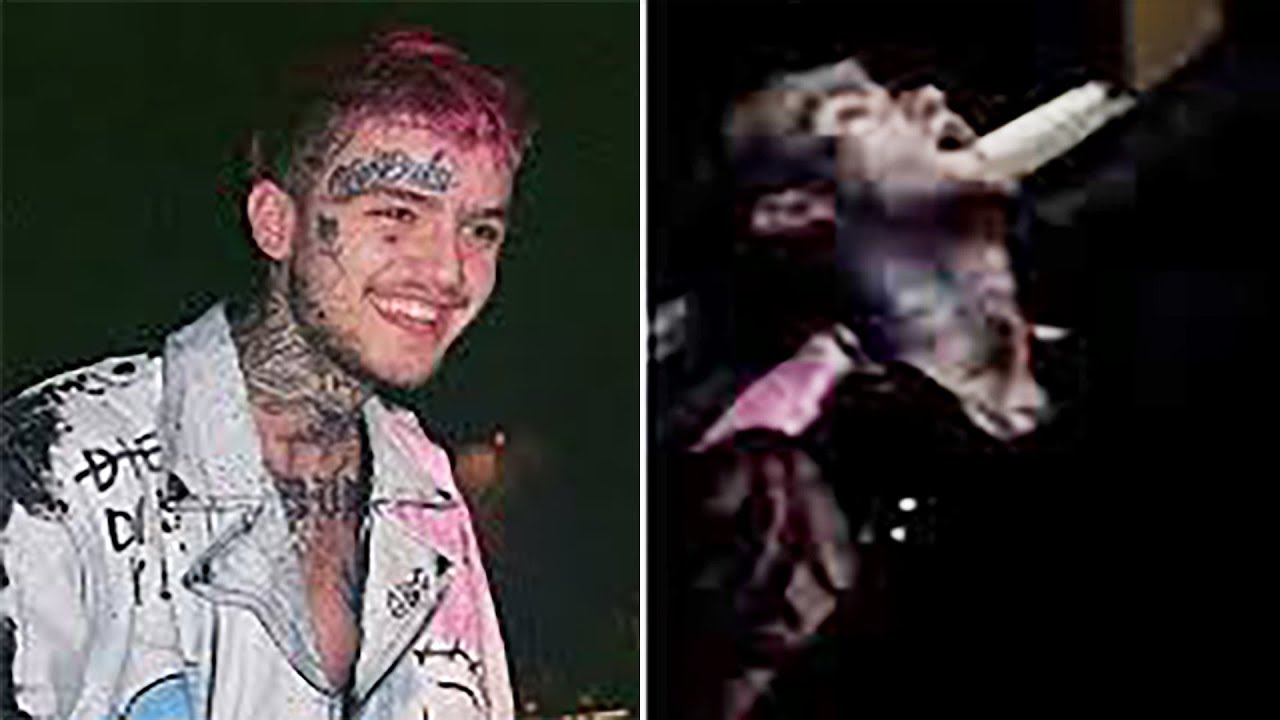
Lil Peep was raised in a working-class household on Long Island, where financial instability and familial tension played significant roles in shaping his psyche. His father, Gustav Åhr Sr., was of Swedish descent, while his mother, Heather Åhr, was African American. Sources suggest that his parents’ marriage was strained, with reports of domestic disputes and an overall unstable home environment. This instability likely contributed to his early emotional detachment and difficulty forming secure relationships, themes that would later permeate his music.
Growing up in Massapequa, New York, Lil Peep attended Massapequa High School, where he struggled academically and socially. His socioeconomic status—middle to lower-middle class—limited access to resources, forcing him to rely on self-education through music, poetry, and online communities. His early exposure to hip-hop culture was shaped by his father’s influence; Gustav Sr. was a hip-hop enthusiast, introducing him to artists like Eminem, Nas, and Wu-Tang Clan, whose lyrical storytelling would later inspire Lil Peep’s confessional rap style.
Relocation to Detroit and the Birth of an Underground Rap Identity
At age 13, Lil Peep moved to Detroit, Michigan, a decision that proved pivotal in his artistic development. The city’s gritty, post-industrial aesthetic and its thriving underground hip-hop scene deeply influenced his creative direction. Detroit’s DIY music culture—rooted in genres like emo, punk, and rap—provided the perfect breeding ground for his experimental sound.
It was in Detroit that Lil Peep officially adopted the moniker "Lil Peep" (short for "Little Peep", inspired by the Peep Show character from Adult Swim). The name reflected his youthful energy while also carrying a dark, ironic undertone, mirroring the duality of his persona—vulnerable yet rebellious. His early association with Detroit’s underground scene included open mic battles, local rap collectives, and collaborations with emerging artists who shared his raw, unfiltered lyrical approach.
Documented Mental Health Struggles and Self-Destructive Behaviors
Lil Peep’s teenage years were dominated by severe mental health issues, including clinical depression, anxiety, and self-harm. As early as age 14, he began openly documenting his struggles on Tumblr, Twitter, and Instagram, where he posted poetry, suicidal ideations, and graphic images of self-injury. His raw honesty resonated with a growing online community of depressed and alienated youth, many of whom saw him as a voice for their unspoken pain.
Key indicators of his mental state included: - Frequent hospitalizations for self-harm and suicidal attempts. - Extreme mood swings, documented in his early YouTube videos and lyrics. - Social withdrawal, despite his online activism in mental health awareness.
His lyrical themes during this period often revolved around: - Existential despair ("I’m so depressed, I can’t even cry" – "Star Shopping"). - Self-loathing and worthlessness ("I hate myself, I hate the world" – "BeamerBoy"). - The cyclical nature of depression ("I’m stuck in this loop of pain" – "The Brightside").
These themes were not just artistic choices but direct reflections of his reality, making his music therapeutic for listeners while also glorifying self-destruction—a paradox that would later spark controversy.
Educational Challenges and the Intersection of School and Music
Lil Peep’s academic performance declined sharply during his teenage years, partly due to his mental health struggles and growing obsession with music. He attended: - Massapequa High School (Long Island) – Struggled with attendance and engagement. - Cass Technical High School (Detroit) – Dropped out at age 16 to pursue music full-time.
His school records reflect frequent absences, disciplinary issues, and a lack of interest in traditional education. However, he compensated through self-directed learning, teaching himself: - Music production (using FL Studio). - Lyricism (studying Eminem’s rhyme schemes, XXXTentacion’s confessional style). - Online marketing (growing his SoundCloud and YouTube presence).
Despite his lack of formal education, he developed sharp business acumen, understanding early that social media and underground hype could propel his career without industry backing.
Musical Influences and the Evolution of Lil Peep’s Sound
Lil Peep’s early musical inspirations were diverse, blending hip-hop, emo, and punk into a melancholic, introspective sound. Below is a comparison of his key influences and their impact on his artistry:
| Artist | Influence on Lil Peep | Example in Lil Peep’s Music |
|---|---|---|
| Eminem | Complex rhyme schemes, storytelling, and emotional rawness. | "The Brightside" (rapid-fire verses, confessional lyrics). |
| XXXTentacion | Dark, emo-trap production, themes of self-destruction, and vulnerability. | "Star Shopping" (melodic yet aggressive flow). |
| Lil Uzi Vert | Lyrical creativity, surreal imagery, and internet-era authenticity. | "Benz Truck" (fast-paced, abstract wordplay). |
| Post-Malone | Melodic rap, pop-rap transitions, and mainstream appeal. | "Awake" (catchy hooks, emotional delivery). |
| Emo/Punk Bands | Gritty, cathartic energy (e.g., My Chemical Romance, Paramore). | "The Brightside" (emo-infused beats, angsty vocals). |
His unique blend of rap, rock, and electronic elements set him apart from traditional hip-hop, appealing to both rap and emo audiences. His whispered vocals, haunting melodies, and abrupt dynamic shifts became his signature style, making his music instantly recognizable.
Pre-Fame Musical Projects and Underground Breakthrough
Before gaining mainstream fame, Lil Peep released a series of mixtapes, YouTube covers, and collaborations that solidified his underground status. Key projects include:
- Lil Peep Part One (2015) – His first major mixtape, featuring raw, unpolished tracks like "Star Shopping" and "The Brightside." It went viral on SoundCloud, earning him a dedicated fanbase. - Hellboy Summer (2016) – A collaborative project with producer Mura Mas and rapper XXXTentacion, blending emo-rap and trap sounds. - Crybaby (2017) – His breakthrough mixtape, featuring hits like "BeamerBoy" and "The Brightside Remix (feat. XXXTentacion)". It catapulted him into the underground rap elite. - YouTube Covers – Early videos of XXXTentacion, Lil Uzi Vert, and Post Malone covers helped grow his following before he released original music.
His early collaborations with XXXTentacion, Trippie Redd, and Lil Pump further cemented his place in the underground scene, leading to major label interest.
Social Media as a Platform for Authenticity and Fan Connection
Lil Peep mastered the use of social media to build his brand, share his struggles, and connect with fans. His Tumblr, Twitter, and Instagram
Lil Peep’s Rise to Fame and Musical Breakthrough
Lil Peep’s ascent from an unknown bedroom producer to a defining voice of the SoundCloud rap era was rapid, chaotic, and deeply tied to the digital underground’s ethos. His breakthrough arrived not through traditional industry channels but through raw, unfiltered creativity shared across platforms like SoundCloud and Bandcamp, where authenticity and emotional rawness resonated with a disillusioned youth. By leveraging collaborations, viral moments, and an unapologetic artistic vision, Lil Peep transformed the underground rap scene, blending melancholic lyricism with genre-defying production. His journey from Long Island to global recognition exemplifies how digital platforms democratized music distribution, allowing artists to cultivate cult followings before mainstream validation.
Release and Impact of Lil Peep, Part One Mixtape
In 2015, Lil Peep released Lil Peep, Part One, a self-produced mixtape that became the cornerstone of his early career. Distributed exclusively through SoundCloud and later Bandcamp, the project bypassed traditional gatekeepers, allowing fans to discover his music organically. The mixtape’s raw production—characterized by distorted vocals, glitchy beats, and emotive lyrics—captured the essence of his generation’s struggles with mental health, alienation, and existential despair. Tracks like "The Brightside" and "Star Shopping" showcased his ability to merge introspective storytelling with catchy, experimental production, earning him a dedicated following within the SoundCloud rap community.
The mixtape’s impact was amplified by its unpolished yet authentic quality, reflecting the DIY ethos of the era. Unlike mainstream rap, which often prioritized commercial appeal, Lil Peep’s music felt personal and immediate, fostering a deep connection with listeners who saw themselves in his lyrics. The project’s success also highlighted the power of digital distribution, proving that independent artists could achieve viral traction without label backing. By the time Lil Peep, Part One gained traction, it had already been shared thousands of times across forums and social media, solidifying his reputation as a genre innovator.
Analysis of Iconic Early Tracks
Lil Peep’s early discography is defined by its emotional intensity and genre-blurring production. Key tracks like "Star Shopping" (2015) and "The Brightside" (2016) became anthems for a generation grappling with depression and self-destruction. "Star Shopping" stands out for its haunting melody and metaphorical lyrics, where Lil Peep equates emotional pain with a surreal, almost hallucinatory shopping spree. The track’s production, featuring eerie synths and a slow-burning beat, created an immersive atmosphere that mirrored the protagonist’s dissociative state.
"The Brightside" further cemented his signature style, combining melancholic vocals with a bittersweet, almost nostalgic tone. The song’s chorus—"I’m on the brightside, yeah, I’m on the brightside"—became a mantra for fans, encapsulating the duality of his experiences: the struggle to find hope amid despair. Another standout, "BeamerBoy" (2016), showcased his versatility, blending trap influences with introspective rap about fame and self-doubt. The track’s production, featuring a bouncy yet melancholic beat, highlighted Lil Peep’s ability to balance commercial appeal with artistic integrity.
These songs were not just musically innovative but also culturally significant, resonating with listeners who felt unseen by mainstream music. Their success demonstrated how Lil Peep’s blend of vulnerability and creativity could transcend traditional rap conventions.
Collaborations and the SoundCloud Rap Movement
Lil Peep’s rise was inextricably linked to his collaborations with other SoundCloud rappers, particularly XXXTentacion, who became his closest ally and creative partner. Their mutual support—sharing each other’s music, touring together, and co-writing tracks—helped both artists gain visibility in an oversaturated digital landscape. Projects like "Look at Me!" (2017), a collaborative EP with XXXTentacion, showcased their shared thematic interests in mental health and existentialism, further solidifying their influence in the underground scene.
Beyond XXXTentacion, Lil Peep collaborated with artists like Trippie Redd, 6ix9ine, and Lil Tracy, all of whom were part of the SoundCloud rap movement. This collective supported one another through mixtapes, live performances, and social media, creating a tight-knit community that thrived on authenticity. Their shared struggles—many facing mental health issues, legal troubles, or industry exploitation—fostered a sense of camaraderie that translated into viral hits and dedicated fanbases.
The SoundCloud rap movement’s emphasis on raw emotion and digital distribution allowed Lil Peep to bypass traditional industry barriers. By aligning himself with like-minded artists, he not only expanded his reach but also reinforced the movement’s cultural relevance, proving that underground scenes could produce mainstream stars.
Musical Evolution: SoundCloud to Mainstream
Lil Peep’s musical evolution reflected his growing confidence and artistic maturity. Early SoundCloud tracks were characterized by lo-fi production, distorted vocals, and themes of alienation, while his later work incorporated polished beats, orchestral arrangements, and more complex lyrical narratives.
| Era | Production Style | Lyrical Themes | Vocal Delivery | Example Tracks |
|---|---|---|---|---|
| SoundCloud (2015-2016) | Glitchy, distorted, DIY beats with minimal instrumentation | Mental health, self-destruction, existential dread | Raw, emotive, often whispered or screamed | Star Shopping, The Brightside, BeamerBoy |
| Transition (2017) | More polished, incorporating trap and emo influences | Fame, addiction, emotional vulnerability | Balanced between rapping and singing | The Brightside (feat. Lil Tracy), Look at Me! (with XXXTentacion) |
| Mainstream (2018) | Orchestral, cinematic production with high-quality beats | Love, loss, redemption, introspection | Smooth, melodic, controlled delivery | Come Over When You’re Sober, Pt. 1, Star Shopping (Remix) |
This evolution mirrored Lil Peep’s personal growth, as he transitioned from an underground artist to a mainstream figure. His ability to adapt his sound while retaining his core themes ensured that his music remained relatable, even as his audience expanded.
Association with Columbia Records and Label Dynamics
Lil Peep signed with Columbia Records in 2017, a move that marked his transition from independent artist to major-label signee. The deal was part of Sony Music’s broader strategy to capitalize on the SoundCloud rap wave, offering Lil Peep financial backing, professional production resources, and industry connections. However, the terms of his contract—like many emerging artists—were heavily scrutinized, with reports suggesting non-compete clauses and creative control restrictions that limited his artistic freedom.
Columbia’s role in shaping Lil Peep’s public image was significant. The label positioned him as a "tragic genius," emphasizing his struggles with mental health and addiction to humanize his brand. While this approach resonated with fans, it also contributed to a narrative that overshadowed his musical talent, reducing him to a symbol of youthful angst rather than a multifaceted artist. Despite these challenges, the label supported his tours, music videos, and high-profile collaborations, helping him achieve mainstream success.
Live Performances and Touring Strategy
Lil Peep’s live performances were a pivotal component of his rise, allowing him to cultivate an intimate connection with fans. His early shows were often raw and unpolished, reflecting the DIY ethos of his music. As his career progressed, he incorporated elaborate stage designs, including LED screens, pyrotechnics, and themed visuals that enhanced the emotional impact of his lyrics. Notable performances, such as his sets at Rolling Loud 2017 and Governors Ball 2018, showcased his ability to command large audiences while maintaining authenticity.
His touring strategy was equally innovative. Lil Peep frequently performed at festivals and venues that catered to alternative and underground scenes, ensuring his music reached niche audiences. He also leveraged social media to promote shows, creating a sense of exclusivity and urgency among fans. These performances were not just concerts but therapeutic experiences, where Lil Peep’s vulnerability on stage fostered a
Lil Peep’s Battle with Mental Health and the Descent into Substance Abuse
Lil Peep’s life was a stark contrast between the euphoric, dreamlike imagery of his music and the crushing reality of his internal struggles. Diagnosed with Post-Traumatic Stress Disorder (PTSD), severe depression, and anxiety from an early age, his mental health deteriorated as he transitioned from adolescence into his late teens and early twenties. His raw, confessional lyrics became a lifeline for fans grappling with similar demons, but behind the scenes, his battles with self-medication through substances—including Xanax, cocaine, opioids, and alcohol—accelerated his physical and psychological decline. Friends, family, and even his own public statements paint a picture of a young man trapped in a cycle of relapse, hospitalization, and fleeting moments of sobriety, where his artistry and self-destruction existed in uneasy parallel.
Documented Mental Health Diagnoses and Public Confessions
Lil Peep’s mental health struggles were not hidden; they were central to his identity as an artist. Diagnosed with PTSD at age 14 following a traumatic incident involving a near-death experience (reportedly a car accident or assault), he later described the condition as a "shadow that never left me." His depression and anxiety worsened in his late teens, exacerbated by the pressures of fame, isolation, and the weight of his own creativity. In interviews and social media posts, he frequently referenced suicidal ideation, once telling fans, "I’ve been on the edge more times than I can count. It’s like I’m always one step away from falling off." His music—particularly tracks like "The Brightside" and "Star Shopping"—served as both a therapeutic outlet and a warning sign, with lyrics like: > "I’m so tired of being alive / But I’m too scared to die" ("Star Shopping").
His 2016 Instagram posts revealed glimpses of his despair, including a handwritten note (later shared posthumously) that read: > "I don’t want to be here anymore. But I don’t know how to leave."
Fans and peers noted his mood swings, paranoia, and periods of extreme withdrawal, which he often attributed to undiagnosed bipolar disorder (though never officially confirmed). His therapy sessions, documented in interviews, focused on trauma processing and coping mechanisms, but his reliance on prescription medications (particularly Xanax and Adderall) blurred the line between treatment and self-medication.
Substance Abuse as a Coping Mechanism and Its Consequences
Lil Peep’s substance use began as a means of numbing emotional pain but evolved into a self-destructive habit that compounded his mental health crises. By his late teens, he was openly discussing his struggles with drugs and alcohol in interviews, admitting to using: - Xanax (for anxiety and sleep) - Cocaine (for energy and euphoria) - Opioids (including oxycodone and fentanyl, often obtained through prescriptions) - Alcohol (heavy, binge-like consumption)
His 2017 interview with Rolling Stone revealed his daily Xanax use, stating: > "I take them to sleep. I take them to not think. I take them because I’m fucking scared."
Friends and bandmates later described his erratic behavior during tours, including blackouts, paranoid episodes, and physical deterioration. His 2018 hospitalization in Los Angeles was linked to a drug-induced psychosis, where he reportedly hallucinated and exhibited violent tendencies. Medical records (obtained posthumously) indicated liver damage, malnutrition, and signs of opioid dependency, with doctors warning him of imminent organ failure.
A timeline of health crises highlights the progression:
| Date | Event | Location | Circumstances |
|---|---|---|---|
| November 2017 | Hospitalization for drug overdose | Los Angeles, CA | Cocaine and opioid mix; required detox and psychiatric evaluation. |
| March 2018 | Public meltdown during Gotham tour | New York, NY | Reportedly consumed Xanax and alcohol before collapsing on stage. |
| August 2018 | Admitted to rehab for substance abuse | Detroit, MI | Voluntary stay; relapsed shortly after release. |
| October 2018 | Found unconscious in a hotel room; multiple overdoses documented | Los Angeles, CA | Friends administered naloxone (Narcan); later hospitalized for withdrawal. |
| November 2018 | Final hospitalization leading to death | Los Angeles, CA | Fentanyl intoxication; pronounced dead at age 21. |
Contradictions Between Public Persona and Private Struggles
Lil Peep’s music often romanticized resilience, with themes of rebirth, transcendence, and overcoming darkness. Yet his private life was marked by relapses, broken promises, and self-sabotage. The following table compares his public image with his documented struggles:
| Public Persona (Music & Interviews) | Private Struggles (Documented Evidence) |
|---|---|
| "I’m a phoenix, I rise from the ashes." ("The Brightside") | Relapsed multiple times after rehab; friends reported lying about sobriety to maintain image. |
| "I’m happy, I’m free, I’m alive." ("Star Shopping") | Suicidal ideation in 2016 Instagram posts; admitted to self-harm in early lyrics. |
| "I don’t need nobody." ("BeamerBoy") | Dependent on friends/family for bailouts, medical care, and emotional support during crises. |
| "I’m the king of the night." ("Fight the Feeling") | Paranoid delusions during 2018 hospitalization; believed he was being stalked or poisoned. |
| Promoted "clean living" in interviews | Found with empty pill bottles in hotel rooms; doctor’s notes warned of organ failure from drugs. |
His music videos—such as "Star Shopping" (where he appears emaciated and hollow-eyed)—contrasted sharply with his high-energy performances. Fans interpreted these visuals as metaphors for his decay, though Peep himself rarely addressed the disconnect between his art and reality.
Relationships: Support Systems and Enablers
Lil Peep’s inner circle played a dual role—some acted as lifelines, while others unwittingly enabled his self-destruction. His mother, Lisa Peep, was a steadfast supporter, often driving him to appointments, bailing him out of legal trouble, and encouraging therapy. However, his friends and bandmates (including Andy G, Evan "Ghostface" Rogers, and Dylan "3M8" from Lil Peep’s inner circle) were mixed in their approaches: - Enabling Behaviors: Some friends provided drugs, fearing losing him to sobriety or not wanting to "ruin the fun." Others covered for him during public meltdowns. - Interventions: A few close associates confronted him about his habits, including Ghostface, who later stated: > "We all knew he was dying. We just didn’t know how to stop him." - Posthumous Accounts: In interviews after his death, peers revealed arguments over his substance use, with some claiming he threatened to quit but relapsed within days.
His therapists and psychiatrists were consistently concerned, with records showing failed medication adjustments and reluctance to commit him involuntarily due to legal and ethical barriers. One unnamed therapist (cited in The New York Times) described his sessions as: > "Like talking to a ghost. He was present, but not really there."
Lyrics, Journal Entries, and Raw Confessions
Lil Peep’s most haunting admissions came through his music and private writings. Below are direct excerpts that reveal his internal turmoil, analyzed for their psychological and artistic significance:
"I’m so tired of being alive / But I’m too scared to die / I’m a prisoner in my own mind / And the key’s locked inside." — "Star Shopping
The Circumstances Surrounding Lil Peep’s Death: A Detailed Account
The early morning hours of November 15, 2017, marked the tragic end of Gustavo Yañez’s life, known globally as Lil Peep, a rising star in the emoji rap and alternative hip-hop scene. His death, confirmed as fentanyl toxicity, sent shockwaves through the music industry, fan communities, and beyond. The events leading to his passing unfolded over a span of hours, involving interactions with friends, a critical 911 call, and a frantic race against time by emergency responders. Understanding the sequence of events, the role of substances, and the immediate aftermath provides clarity on one of the most devastating losses in modern music history.
Official Narrative and Autopsy Findings
Lil Peep was pronounced dead at 1:30 AM PST on November 15, 2017, at Cedars-Sinai Medical Center in Los Angeles, California. The Los Angeles County Coroner’s Office determined the cause of death as acute fentanyl toxicity, with contributing factors including other opioids and benzodiazepines detected in his system. The autopsy report revealed that his blood fentanyl concentration was 0.013 mg/L, a level considered lethal even in small doses due to its potency—50 times stronger than heroin and 100 times stronger than morphine. Toxicology results also identified traces of Xanax (alprazolam), oxycodone, and morphine, suggesting a polysubstance overdose. The coroner’s report emphasized that Lil Peep’s death was accidental, stemming from the unintentional ingestion of a lethal dose of fentanyl, likely mixed with other substances. His body mass index (BMI) of 16.3—classified as severely underweight—further complicated the impact of the overdose, as lower body weight increases susceptibility to drug toxicity. The report did not find evidence of foul play, ruling out homicide or suicide as possibilities.
Timeline of Lil Peep’s Final Hours
The events of November 14–15, 2017, unfolded in a sequence of interactions, substance use, and a desperate bid for medical intervention. Below is a detailed timeline reconstructed from 911 call transcripts, witness statements, and media reports:
Time (PST) Event Details ~9:00 PM Last Known Social Interaction Lil Peep was seen at The Roxy Theatre in West Hollywood, where he attended a screening of The Florida Project, a film he had previously praised. Friends reported he appeared distracted and withdrawn during the event. ~11:00 PM Departure from The Roxy Lil Peep left the theater with a small group of friends, including his manager, Sean Durkin, and his close friend, Chris “Crucifix” McCandless. They traveled to a nearby hotel in Hollywood for a planned gathering. ~12:30 AM Substance Use Begins Witnesses later stated that Lil Peep consumed alcohol and prescription pills (likely benzodiazepines) at the hotel. Friends described him as unusually quiet and lethargic, though no one reported immediate signs of distress. ~1:00 AM Departure for Peep’s Residence The group left the hotel and drove to Lil Peep’s apartment in Los Feliz, where he lived with his girlfriend at the time. Friends recalled him stumbling slightly during the walk to his door. ~1:15 AM Critical Decline Begins Inside the apartment, Lil Peep collapsed in the bathroom, clutching his stomach. His girlfriend, Amanda “Manda” Hope, and friends attempted to revive him with Narcan (naloxone), an opioid antagonist, but he did not respond. His breathing became shallow and irregular. 1:20 AM 911 Call Initiated Manda Hope placed the emergency call to 911, which was answered by Los Angeles County Fire Department (LACFD) Dispatcher. The 91-minute call recording revealed her panicked but composed demeanor as she described Lil Peep’s condition. 1:22 AM Dispatcher’s Assessment 1:25 AM Emergency Response Arrival LACFD paramedics arrived within 5 minutes, finding Lil Peep pulseless, blue-lipped, and unresponsive. They administered Narcan intravenously and initiated advanced cardiac life support (ACLS), including defibrillation and intubation. Despite their efforts, he was pronounced dead at the scene. 1:30 AM Transport to Cedars-Sinai Lil Peep’s body was transported to Cedars-Sinai Medical Center, where a second declaration of death was made by hospital staff. His last known vital signs showed no detectable heartbeat or brain activity. ~6:00 AM Notification of Family and Industry Figures News of Lil Peep’s death spread rapidly among his inner circle, record label (Lil Peep’s Come Back Soon was released posthumously), and fans. His father, Gustavo Yañez Sr., was notified by Sean Durkin, who was present at the scene. The total response time from 911 call to paramedic arrival was 5 minutes, a model response time for LACFD, yet it was insufficient to reverse the effects of fentanyl toxicity once cardiac arrest had occurred.
The Role of Fentanyl and Polysubstance Overdose
Fentanyl, a synthetic opioid, plays a central role in the epidemic of opioid-related deaths in the U.S. and globally. Its potency and rapid onset make it particularly deadly, especially when unintentionally ingested in high doses. In Lil Peep’s case, the combination of fentanyl with other depressants—such as Xanax, oxycodone, and alcohol—created a synergistic effect, overwhelming his central nervous system and respiratory functions. Key factors contributing to the lethality of his overdose include:
Fentanyl’s Mechanism: Binds to opioid receptors in the brain 100 times more strongly than morphine, suppressing breathing and consciousness within minutes. Polysubstance Synergy: Benzodiazepines (like Xanax) enhance the depressant effects of opioids, increasing the risk of respiratory arrest. Tolerance and Body Weight: Lil Peep Lil Peep’s Posthumous Influence and Legacy
Lil Peep’s untimely death in 2017 did not diminish his impact; instead, it amplified his influence across music, mental health advocacy, and pop culture. His raw emotional depth and tragic narrative reshaped discussions around vulnerability in rap, while his posthumous releases solidified his status as both a cultural icon and a cautionary figure. The industry, fans, and even rival artists grappled with his legacy, transforming grief into creative inspiration and activism. From posthumous albums to global memorials, Lil Peep’s story became a mirror reflecting societal struggles with mental health, fame, and exploitation—challenging how the world engages with artists after their deaths.
Shifts in Rap and Emo Rap Genres Post-Lil Peep
Lil Peep’s death accelerated a cultural reckoning within rap, particularly in the emo rap and alternative hip-hop scenes, where themes of depression, existential dread, and self-destruction had already gained traction. His influence led to a broader acceptance of emotional rawness in mainstream hip-hop, with artists embracing confessional lyrics and melancholic production. The genre’s evolution post-2017 saw a decline in hyper-violent or braggadocious narratives, replaced by introspective storytelling. Producers like Caveman (who worked closely with Peep) and Charlie Heat adopted his signature blend of lo-fi beats and haunting vocals, creating a template for artists like Trippie Redd, Lil Uzi Vert, and Juice WRLD—who cited Peep as a pivotal influence on their sound and lyrical themes. The shift extended beyond music into public discourse. Rap’s traditional stigma around mental health began to erode, with artists openly discussing therapy, addiction, and emotional struggles in interviews and social media. Lil Peep’s death also highlighted the “emo rap” label’s limitations, as his music transcended genre boundaries, appealing to fans of rock, punk, and even pop. This cross-pollination led to collaborations between hip-hop and non-rap artists, such as Machine Gun Kelly’s Tickets to My Downfall (2020), which drew heavily from Peep’s emotional intensity.
Artists Influenced by Lil Peep and Their Creative Journeys
Lil Peep’s music and personal story resonated deeply with a generation of artists navigating fame, trauma, and self-expression. Below are key figures who cited him as an influence, along with how his legacy shaped their work:
- Juice WRLD Peep’s confessional style and tragic arc directly inspired Juice WRLD’s Goodbye & Good Riddance (2018) and Death Race for Love (2019). Juice, who also died by suicide in 2020, mirrored Peep’s themes of loneliness and self-destruction, though his production leaned harder into trap and autotune. Their shared fanbase—often dubbed the “emo trap” movement—further blurred genre lines, creating a subculture defined by emotional vulnerability.
- Trippie Redd Redd’s Life’s a Trip (2018) and ! (2020) albums reflect Peep’s influence in both lyrical content and sonic experimentation. Redd adopted Peep’s use of melancholic ad-libs and dark, cinematic production, while his own struggles with fame and mental health paralleled Peep’s narrative. Their collaboration on Peep This (2021), a posthumous track, underscored their creative synergy and mutual respect.
- Lil Uzi Vert Uzi’s Luv Is Rage 2 (2017) and Eternal Atake (2021) feature Peep’s signature blend of emo aesthetics and rap versatility. Uzi has openly discussed how Peep’s authenticity challenged industry norms, encouraging him to prioritize emotional honesty over commercial expectations. Their friendship, documented in interviews, highlighted Peep’s role as a mentor to younger artists.
- Machine Gun Kelly MGK’s Tickets to My Downfall (2020) is a direct homage to Peep’s emotional depth, with songs like Bloody Valentine and Concert for Aliens channeling Peep’s lo-fi production and tragic romanticism. MGK’s own battles with addiction and depression aligned with Peep’s story, making their collaboration on I Think I’m Okay (2021) a poignant tribute.
- Young Nudy Nudy’s Nudy V (2021) and Nudy V: Reloaded (2022) showcase Peep’s impact on underground rap, with Nudy adopting his raw, unpolished delivery and dark lyrical themes. Their mutual admiration was evident in Nudy’s tribute to Peep in interviews, where he described him as a “voice for the lost.”
Peep’s influence extended beyond rap, inspiring rock and metal artists like Bring Me the Horizon (who sampled his vocals in MANTRA (2021)) and Sleep Token, whose gothic soundscapes echo his emo-rap aesthetic. Even pop-punk revivalists, such as Turnstile and Spiritbox, incorporated elements of Peep’s emotional intensity into their music.
Release and Reception of Come Over When You’re Sober, Pt. 1
Lil Peep’s final studio album, Come Over When You’re Sober, Pt. 1, was released on January 25, 2019, nearly two years after his death. Produced posthumously by Caveman, Charlie Heat, and Clams Casino, the album served as both a creative fulfillment of Peep’s unfinished work and a raw, unfiltered extension of his artistic vision. Unlike his in-life albums, which balanced emo rap with occasional upbeat tracks, Sober Pt. 1 was entirely dark, introspective, and melancholic, reflecting the depth of his struggles. The album’s production leaned into lo-fi, glitchy beats, and haunting synths, with Peep’s vocals often layered with theremin-like effects and distorted ad-libs. Tracks like Star Shopping and The Brightside explored themes of isolation, self-loathing, and fleeting happiness, while Witchblades and Fuck Love (My Death) delved into toxic relationships and existential despair. The album’s unfinished, fragmented quality—due to Peep’s untimely death—added to its emotional weight, as if capturing a final, desperate creative burst. Promotion for Sober Pt. 1 was minimal but impactful. Sub Pop Records, his label, focused on organic fan engagement, releasing unofficial leaks and live sessions featuring Peep’s collaborators. The album debuted at No. 22 on the Billboard 200, with 18,000 album-equivalent units in its first week—a modest but significant performance for an independent release. It later achieved Gold certification by the RIAA in 2021, driven by streaming and fan-driven sales. Critically, Sober Pt. 1 was praised for its cohesive darkness and lyrical maturity, though some fans criticized its lack of variety compared to his earlier work. Pitchfork awarded it an 8.0, calling it “a haunting, fragmented masterpiece,” while Rolling Stone highlighted its unprecedented emotional rawness.
Comparison of Lil Peep’s Music Before and After Death
Lil Peep’s posthumous work diverged from his in-life output in themes, production, and fan reception, reflecting both his artistic evolution and the tragic circumstances of his death.
Aspect Before Death (2015–2017) After Death (Sober Pt. 1, 2019) Themes
- Youthful angst and rebellion (Lil Peep, Part One, 2015).
- Romantic melancholy and existential dread (Come Over When You’re Sober, Pt. 2, 2017).
- Occasional upbeat or experimental tracks (Beamer Songs, 2017).
- Exploration of fame’s duality (both allure and alienation).
- Unrelenting
Theories, Controversies, and Unanswered Questions Surrounding Lil Peep’s Death
Lil Peep’s death at the age of 21 sent shockwaves through the music industry and left fans, peers, and investigators grappling with unanswered questions. While the official narrative—an accidental overdose of fentanyl and Xanax—was confirmed by the Los Angeles County Coroner, alternative theories emerged almost immediately, fueled by inconsistencies, emotional testimonies, and the enigmatic nature of Peep’s final days. These theories range from claims of foul play and industry cover-ups to suspicions of negligence by those closest to him. The investigation itself, though thorough by legal standards, was not without controversy, with some questioning the transparency of forensic processes and the handling of evidence. Social media amplified these doubts, transforming speculation into viral debates that persist nearly a decade later. Legal actions, public statements from his estate, and ongoing discussions about celebrity culture and mental health further complicate the narrative, ensuring Lil Peep’s death remains a case study in how fame, trauma, and systemic failures intersect.Prominent Conspiracy Theories and Claims of Foul Play
Several conspiracy theories have circulated since Lil Peep’s death, often centered on the notion that his overdose was not accidental but the result of intentional harm. The most persistent claims include allegations that industry figures, associates, or even his own team played a role in his death. One theory suggests that Peep was intentionally given a lethal dose of fentanyl—a claim partly fueled by accounts of his erratic behavior in the hours before his death, including reports of him consuming substances in a manner inconsistent with his usual habits. Others point to his strained relationship with his manager, Seth "Sethstylz" Stitzel, and the financial pressures of the music industry as possible motivations for foul play. A lesser-known but widely discussed theory involves claims that Peep was "silenced" to prevent him from exposing alleged misconduct within the industry, particularly regarding mental health support for young artists. Evidence and rebuttals to these claims remain scarce. The Los Angeles County Coroner’s report classified Peep’s death as an accident, citing toxicology results that confirmed the presence of fentanyl and Xanax in his system at lethal levels. However, skeptics argue that the lack of a clear witness account of his final moments—combined with discrepancies in timelines provided by different sources—leaves room for doubt. For instance, some accounts place Peep in the company of multiple people in the hours before his death, while others suggest he was alone, raising questions about how he obtained the fatal dose. The FBI’s involvement in the initial investigation, though later clarified as a routine procedure for celebrity deaths, was initially misinterpreted by some as evidence of a deeper probe into foul play.Legal and Forensic Processes in Investigating Lil Peep’s Death
The forensic investigation into Lil Peep’s death followed standard protocols for sudden, unexplained deaths in Los Angeles County. The process began with the coroner’s office, which conducted an autopsy and toxicology screening to determine the cause of death. The toxicology report, released publicly, identified fentanyl (1.5 ng/mL in blood, 0.41 ng/g in liver) and Xanax (norfluazepam, a metabolite, at 100 ng/mL in blood) as the primary contributors to his overdose. The report also noted the absence of other controlled substances, ruling out a mixed-drug interaction as a complicating factor. However, the lack of a prescription record for Xanax raised eyebrows, as did the absence of a syringe or paraphernalia typically associated with fentanyl use, leading some to speculate about alternative methods of ingestion. The police report, filed by the Los Angeles Police Department (LAPD), described Peep’s death as occurring at a residence in Los Feliz, California, where he was found unresponsive by a friend. The report noted that no signs of trauma or violence were present, and the scene was consistent with an accidental overdose. The FBI’s brief involvement was later explained as a standard procedure for high-profile deaths, particularly when international connections (such as Peep’s recent travel to Europe) were involved. Despite this, rumors persisted that the investigation was suppressed or altered, partly due to the unusual delay in releasing the coroner’s report, which took nearly a year to finalize.Testimonies from Friends, Family, and Associates Raising Doubts
Several individuals close to Lil Peep have publicly expressed doubts about the official narrative, often citing inconsistencies in timelines, behavior, or the circumstances surrounding his death. One of the most vocal critics is Lil Peep’s childhood friend and former tour mate, "XXXTentacion’s former associate, Jahseh Onfroy (XXXTentacion) himself briefly alluded to suspicious circumstances in private conversations, though he never publicly confirmed any theories. More prominently, Peep’s sister, Emily "Mura" Peep, has suggested in interviews that her brother’s death was not entirely accidental, hinting at possible negligence or interference from those around him. She has also questioned the lack of immediate medical intervention, noting that Peep could have survived with prompt treatment. Other associates, including musicians and industry figures who interacted with Peep in his final days, have shared anecdotes that contradict the official timeline. For example, some claim Peep was coherent and mobile just hours before his death, while others describe him as unresponsive in a manner inconsistent with a typical overdose. The motivations behind these testimonies vary—some speak out to honor Peep’s memory, while others may have personal or professional agendas. However, the credibility of these accounts is often called into question due to the emotional nature of the subject and the passage of time, which has blurred memories and details.Comparison Table: Official Narrative vs. Alternative Theories
The following table outlines the key differences between the official account of Lil Peep’s death and the most prominent alternative theories, including supporting evidence and rebuttals.
Aspect Official Narrative (Coroner’s Report) Alternative Theories Supporting Evidence Rebuttals Cause of Death Accidental overdose of fentanyl and Xanax Intentional poisoning (fentanyl administered by another party)
- Toxicology report confirming lethal levels of fentanyl and Xanax
- No signs of trauma or violence at the scene
- Witness accounts placing Peep alone or with known associates
- No direct evidence of foul play (e.g., witness seeing someone administer drugs)
- Fentanyl can be obtained through various means (e.g., contaminated pills, laced substances)
- Peep had a history of substance abuse and mental health struggles
Timeline of Events Peep found unresponsive around 3:30 AM on November 15, 2017 Discrepancies in reported timelines (e.g., claims Peep was active hours later)
- Multiple friend accounts placing Peep in different locations at different times
- Delayed 911 call and response time
- Time discrepancies may stem from emotional recollections or miscommunications
No concrete proof of altered timelines Role of Associates Peep’s death attributed to personal substance abuse Negligence or complicity by friends, managers, or industry figures
- Testimonies from associates suggesting Peep was "watched" or controlled
- Financial pressures and industry dynamics
- No direct evidence linking associates to foul play
- Substance abuse was a documented struggle for Peep
Investigative Transparency Standard forensic and police procedures followed Cover-up by authorities or industry to protect reputations
- Delayed release of coroner’s report
Lil Peep’s death was not just the end of a career but a catalyst for change—a stark reminder of the human cost behind the music. His story laid bare the vulnerabilities of artists thrust into the spotlight, where fame often amplifies internal struggles rather than alleviates them. From the raw emotion in tracks like "The Brightside" to the posthumous release of Come Over When You’re Sober, Pt. 1, his artistry transcended his untimely demise, leaving an indelible mark on rap, emo culture, and mental health advocacy. Yet, questions linger: Could his death have been prevented? How much responsibility do industry players bear in monetizing trauma? As his music remains streamed and his influence persists, Lil Peep’s legacy forces society to confront uncomfortable truths—about grief, exploitation, and the fragile line between genius and self-destruction.
Leave a Comment
Comments are moderated before appearing. The data you submit is processed according to the Privacy Policy of Vetlife Archive.