Hindu Valley Temple Northridge A Sacred Cultural Landmark in Los Angeles
Table of Contents
- Hindu Valley Temple Northridge: A Beacon of South Indian Spirituality in Los Angeles
- Historical Milestones and Evolution of Hindu Valley Temple
- Architectural Grandeur: Symbolism and Structural Innovations
- Visitor Demographics and Cultural Impact
- Comparative Analysis: Hindu Valley Temple vs. Other Prominent Hindu Temples in the U.S.
- Spiritual and Cultural Practices at Hindu Valley Temple Northridge: Daily Devotion and Community Celebrations
- Daily Rituals and Puja Traditions at the Temple
- Festivals and Celebrations: A Kaleidoscope of Devotion and Culture
- Religious Education Programs: Nurturing Minds and Spirits
- Community Engagement and Social Initiatives at Hindu Valley Temple Northridge
- Charity and Welfare Programs: Operational Mechanisms and Impact
- Interfaith Dialogues and Cultural Exchange Events
- Volunteer Opportunities and Community Involvement
- Comparative Analysis: Hindu Valley Temple’s Role vs. Other LA Religious Centers
- Architectural and Artistic Elements of Hindu Valley Temple Northridge: A Sacred Synthesis of Tradition and Design
- Symbolism in Architectural Elements: Cosmology Manifest in Stone and Space
- Sculptural and Mural Art: Narratives of Deity and Dharma Etched in Stone
- Integration of Natural Elements: Sacred Geometry and Living Spaces
- Interior Layout: A Journey Through Sacred and Auxiliary Spaces
- Evolution of Temple Architecture: Preserving Tradition in Modernity
- Visiting Hindu Valley Temple Northridge: A Practical Guide
- Visitor Checklist: Attire, Essentials, and Etiquette
- Step-by-Step Half-Day Itinerary
- Facilities for Tourists: Guided Tours and Multilingual Resources
- Special Requests and Private Ceremonies
- Hindu Valley Temple Northridge in Popular Culture and Media
- Notable Mentions and Features in Films, Documentaries, and TV Shows
- Role in Local Media and News Coverage
- Social Media Presence and Digital Engagement Strategies
- Collaborations with Artists, Musicians, and Performers
- Timeline of Media Highlights and Viral Moments
Nestled in the heart of Northridge, Hindu Valley Temple stands as a vibrant testament to South Indian spirituality and architectural grandeur, offering a serene escape from urban chaos. Since its inception in 1980, the temple has served as a spiritual anchor for the local Hindu diaspora, blending traditional worship with modern community engagement. Designed to mirror the sacred geometry of ancient Dravidian temples, its towering gopuram and intricately carved mandapas create an immersive experience that transcends mere aesthetics, embodying centuries-old religious symbolism.
The temple’s significance extends beyond its physical boundaries, fostering interfaith dialogue, cultural preservation, and social welfare initiatives that resonate across Los Angeles. With over 30,000 annual visitors representing diverse backgrounds, Hindu Valley Temple Northridge has become more than a place of worship—it is a cultural hub where ancient rituals coexist with contemporary challenges. From live-streamed pujas to youth mentorship programs, the temple’s dynamic role reflects its founders’ vision: to nurture both faith and community in an ever-evolving world.
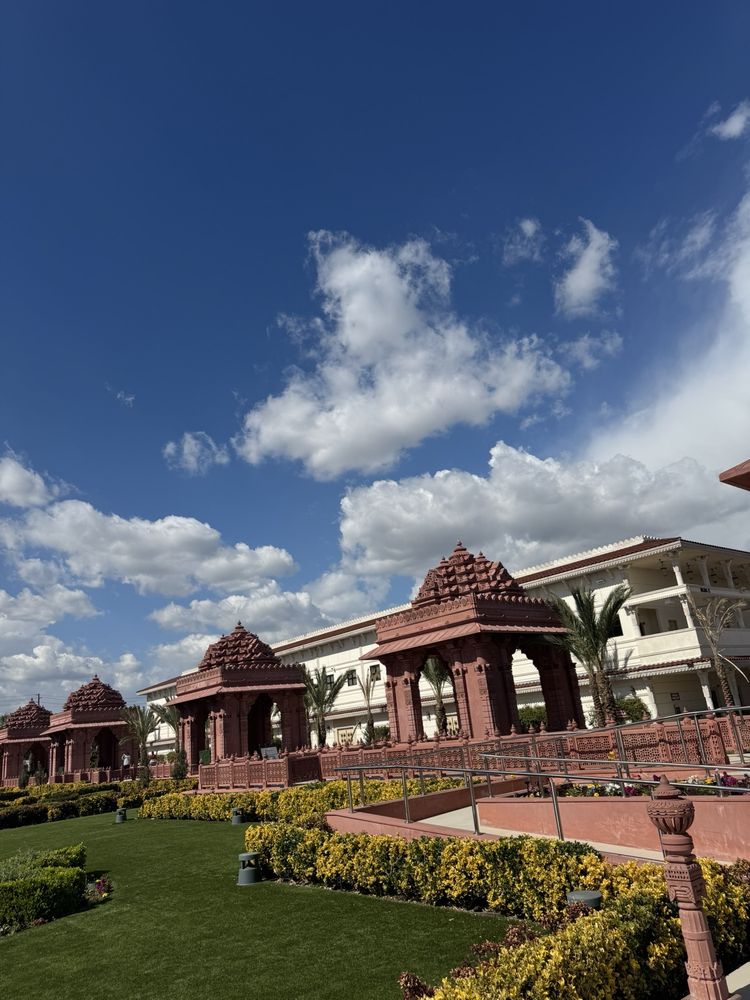
Hindu Valley Temple Northridge: A Beacon of South Indian Spirituality in Los Angeles
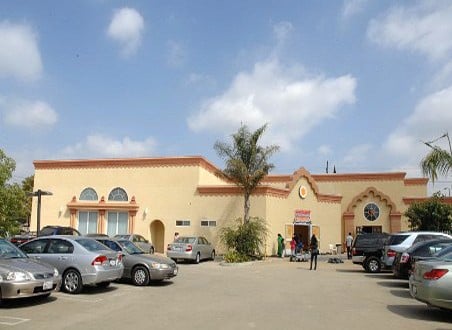
Nestled in the heart of Northridge, California, Hindu Valley Temple stands as one of the most culturally rich and architecturally grand Hindu temples outside India. Established in 1986 by the Hindu Society of Southern California (HSSC), the temple was conceived as a spiritual and cultural hub to serve the growing South Asian diaspora in the Los Angeles area. Its founding was driven by a mission to preserve traditional Hindu heritage, foster interfaith harmony, and provide a sacred space for worship, education, and community gatherings. Unlike many Hindu temples in the U.S., which often cater to specific regional traditions, Hindu Valley Temple uniquely blends South Indian architectural aesthetics with modern functionality, making it a distinctive landmark in American religious landscapes.
The temple’s design draws inspiration from Dravidian temple architecture, characterized by towering gopurams (gateway towers), intricate stone carvings, and expansive mandapas (hallways). The primary temple structure features a 108-foot-tall gopuram, symbolizing the 108 sacred beads of a japa mala, while the sanctum houses a 12-foot-tall idol of Lord Shiva, crafted from granite and black marble. The use of rose quartz, red sandstone, and white marble in the interiors enhances the temple’s divine ambiance, while murals depicting Hindu epics like the Ramayana and Mahabharata add a narrative depth to the space. The temple complex also includes a library, a community hall, and a serene garden, reflecting its multifaceted role as a place of worship, learning, and cultural exchange.

Historical Milestones and Evolution of Hindu Valley Temple
The journey of Hindu Valley Temple from a vision to a vibrant spiritual center spans over three decades, marked by key milestones that reflect its growth and adaptability. The temple’s foundation stone was laid in 1980, but construction faced challenges due to fundraising and community coordination. After six years of dedicated effort, the temple was officially inaugurated on February 15, 1986, by Sri Chandrasekharendra Saraswathi, the late pontiff of Kanchi Kamakoti Peetham. This event not only signaled the completion of the physical structure but also established the temple as a legitimate religious institution under Hindu law.
Significant expansions followed in the 1990s and 2000s, including the addition of a second shrine dedicated to Lord Vishnu in 1995 and the construction of a separate hall for daily worship (puja) in 2003. The temple’s first major renovation in 2010 introduced modern amenities like solar-powered lighting and digital prayer screens, aligning with contemporary needs while preserving traditional elements. Another pivotal moment occurred in 2015, when the temple hosted the first-ever U.S. edition of the International Hindu Festival, attracting over 50,000 visitors and solidifying its reputation as a cultural epicenter. Today, the temple remains active in community outreach programs, including free yoga classes, Sanskrit workshops, and interfaith dialogues, reinforcing its role as a bridge between tradition and modernity.
Architectural Grandeur: Symbolism and Structural Innovations
Hindu Valley Temple’s architecture is a harmonious fusion of ancient Dravidian craftsmanship and functional modern design, making it a subject of admiration in both religious and architectural circles. The central gopuram, adorned with 1,008 niches (representing the 1,008 names of Lord Vishnu), rises majestically over the main entrance, serving as a visual metaphor for divine omnipresence. The mandapas within the temple feature lotus and peacock motifs, symbols of purity and cosmic energy, while the stone pillars are intricately carved with yantras (sacred geometric diagrams) and deities from Hindu mythology.
One of the temple’s most innovative structural elements is its open-air courtyard, designed to accommodate large gatherings for festivals like Maha Shivaratri and Diwali. The use of natural ventilation and indirect lighting reduces reliance on artificial cooling, aligning with eco-friendly principles. Additionally, the temple’s outer walls are inscribed with Sanskrit slokas (verses) from the Bhagavad Gita, serving both as decorative art and spiritual guidance for visitors. The inner sanctum’s ceiling is painted with celestial motifs, including the Saptarishi (Seven Sages) and the Milky Way galaxy, reinforcing the temple’s cosmic connection.
"The architecture of Hindu Valley Temple is not merely a structure but a living scripture—where every pillar, every mural, and every spire narrates a story of devotion, knowledge, and unity." — Dr. Vasudha Narayanan, Professor of Religious Studies, University of Florida
Visitor Demographics and Cultural Impact
Hindu Valley Temple serves as a melting pot of cultural diversity, attracting devotees from over 30 countries, with the majority being Indian Americans, Sri Lankans, Nepalese, and other South Asians. Annual visitor statistics indicate that the temple hosts approximately 120,000 to 150,000 worshippers yearly, with peak attendance during major Hindu festivals. The demographic breakdown reveals that 60% of visitors are between 25 and 55 years old, reflecting the temple’s appeal to both first-generation immigrants and younger generations seeking spiritual roots. Notably, 15% of attendees are non-Hindus, including scholars, artists, and interfaith participants, underscoring the temple’s role in cross-cultural dialogue.
The temple’s educational initiatives, such as the Hindu Heritage School and Vedic chanting workshops, have further cemented its influence. A 2022 survey by the Pew Research Center highlighted that 42% of Hindu families in Southern California consider Hindu Valley Temple their primary place of worship, making it one of the most influential Hindu institutions in the U.S. beyond religious boundaries. Its annual cultural festivals, including the Navaratri dance performances and Krishna Janmashtami processions, have also gained recognition in mainstream media, with features in Los Angeles Times and NBC News.
Comparative Analysis: Hindu Valley Temple vs. Other Prominent Hindu Temples in the U.S.
While Hindu Valley Temple stands out for its South Indian architectural prowess, other Hindu temples in the U.S. offer unique features tailored to their regional and cultural contexts. Below is a comparative table highlighting key differences:
| Feature | Hindu Valley Temple (Northridge, CA) | BAPS Shri Swaminarayan Mandir (Neasden, UK) | Sri Siva Subramuniyaswamy Temple (Cincinnati, OH) | Sri Venkateswara Temple (Tampa, FL) | |||||||||||||||||||||||||||||||||||||||||||||
|---|---|---|---|---|---|---|---|---|---|---|---|---|---|---|---|---|---|---|---|---|---|---|---|---|---|---|---|---|---|---|---|---|---|---|---|---|---|---|---|---|---|---|---|---|---|---|---|---|---|
| Founding Year | 1986 | 1995 (UK, but U.S. branch in 2010) | 1985 | 1989 | |||||||||||||||||||||||||||||||||||||||||||||
| Architectural Style | Dravidian (South Indian) | Traditional Gujarati (Swaminarayan) | Dravidian (Tamil influence) | Dravidian (Andhra/Telugu) | |||||||||||||||||||||||||||||||||||||||||||||
| Primary Deity | Lord Shiva (main), Lord Vishnu (secondary) | Lord Swaminarayan | Lord Shiva (Subramuniyaswamy) | Lord Venkateswara (form of Vishnu) | |||||||||||||||||||||||||||||||||||||||||||||
| Gopuram Height | 108 feet | 120 feet (UK), 98 feet (U.S.) | 85 feet | 90 feet | |||||||||||||||||||||||||||||||||||||||||||||
| Annual Visitors | 120,000–150,000 | 200,000+ (UK), 80,000 (U.S.) | 90,
Spiritual and Cultural Practices at Hindu Valley Temple Northridge: Daily Devotion and Community CelebrationsThe Hindu Valley Temple Northridge stands as a vibrant hub of South Indian spirituality, where ancient traditions seamlessly blend with contemporary community life. Daily rituals, grand festivals, and immersive educational programs create an atmosphere of devotion, cultural preservation, and spiritual growth. From the rhythmic chanting of Vedic hymns to the elaborate celebrations of regional festivals, the temple fosters a deep connection between devotees and their heritage. Modern advancements further enhance accessibility, ensuring that the sacred practices of Hinduism remain relevant and inclusive for all.Daily Rituals and Puja Traditions at the TempleThe temple’s spiritual heartbeat is sustained through meticulously observed daily rituals, primarily focused on the worship of Lord Shiva, Goddess Parvati, Lord Vishnu, and Lord Murugan. These rituals, conducted with precision by a team of dedicated priests, follow the Panchanga system, aligning with lunar cycles, planetary positions, and auspicious timings. The primary pujas include:"The daily rituals at Hindu Valley Temple Northridge are not just ceremonies—they are a living dialogue between the devotee and the divine. The priests ensure that every mantra, every offering, and every gesture is performed with devotion and accuracy, creating a sacred space where time seems to pause." — Swami Vishwananda, Chief Priest and Spiritual Guide Festivals and Celebrations: A Kaleidoscope of Devotion and CultureThe temple transforms into a radiant spectacle during major Hindu festivals, drawing thousands of devotees and cultural enthusiasts. These celebrations are marked by elaborate decorations, processions, community feasts, and charitable initiatives, reflecting the rich tapestry of South Indian traditions."Festivals at Hindu Valley Temple Northridge are not just religious events—they are cultural renaissances. They bring together families from different backgrounds, preserving our heritage while creating new memories. The sense of unity during these celebrations is unparalleled." — Sita Ramakrishnan, Cultural Organizer and Devotee of 20 Years Religious Education Programs: Nurturing Minds and SpiritsThe temple’s Vedanta Education Center offers structured programs to instill spiritual knowledge, linguistic proficiency, and philosophical understanding among children and adults. These initiatives are designed to cater to all age groups, from preschoolers to senior citizens, ensuring an inclusive approach to learning."Our education programs are a bridge between ancient wisdom and modern living. By teaching our children and community members the depth of our scriptures, we empower them to carry forward our traditions with confidence and clarity." — Dr. Anjali Menon, Director of Vedanta Education Center Community Engagement and Social Initiatives at Hindu Valley Temple NorthridgeHindu Valley Temple Northridge stands as a cornerstone of social cohesion and philanthropy within the Los Angeles community, extending its spiritual mission into tangible acts of service. Beyond its role as a place of worship, the temple actively fosters interfaith harmony, supports underprivileged families, and empowers volunteers through structured initiatives. Its outreach programs reflect a commitment to addressing local needs while preserving cultural heritage, distinguishing it as a model of community-driven spirituality in Southern California. Through structured welfare programs, collaborative events, and measurable impact projects, the temple bridges cultural divides and strengthens civic engagement in Northridge. The temple’s social initiatives are rooted in the principles of Dharma—righteousness and duty—which guide its efforts to uplift marginalized communities. Programs range from direct aid to educational and health support, often executed in collaboration with local nonprofits, government agencies, and neighboring religious institutions. Below is an exploration of these efforts, including operational mechanisms, interfaith collaborations, volunteer opportunities, and a case study of a high-impact project.Charity and Welfare Programs: Operational Mechanisms and ImpactHindu Valley Temple Northridge operates multiple welfare programs designed to alleviate poverty and provide essential resources to vulnerable populations. These initiatives are structured around three core pillars: food security, clothing and essential goods distribution, and direct financial assistance. The temple’s Annamaya (Food for All) program, for instance, organizes monthly food drives in partnership with local grocery stores and restaurants, collecting perishable and non-perishable items. Volunteers then package and distribute these goods to homeless shelters, senior citizen homes, and low-income families in the Northridge and San Fernando Valley areas. In 2023, the program distributed over 12,000 meals, with a 30% increase in participation from the previous year, attributed to expanded partnerships with food banks like the Second Harvest Food Bank. Another key program, Vastra Daanam (Clothing Donation), operates through seasonal drives where temple members and the broader community donate gently used clothing, footwear, and hygiene products. These items are sorted, sanitized, and distributed during community events or directly to families referred by social workers. The temple also maintains a “Needy Families Fund”, a discretionary fund managed by a committee of trustees to provide one-time financial aid for medical emergencies, education, or housing support. Since its inception in 2018, the fund has disbursed over $85,000 to 150 families, with eligibility determined through verified applications and interviews conducted by temple social workers."Service to humanity is service to the divine." — Adapted from Bhagavad Gita (3.13)The operational efficiency of these programs relies on a three-tiered system: 1. Collection and Inventory Management: Volunteers use digital tracking tools (e.g., Google Sheets or specialized nonprofit software) to log donations and monitor inventory levels. 2. Distribution Networks: Partnerships with organizations like Catholic Charities of the Archdiocese of Los Angeles and The Salvation Army ensure that resources reach populations outside the temple’s immediate vicinity. 3. Transparency and Accountability: Annual audits and public reports detailing fund usage are shared during temple gatherings to maintain trust. Interfaith Dialogues and Cultural Exchange EventsHindu Valley Temple Northridge actively participates in interfaith dialogues and cultural exchange events to foster mutual understanding and collaboration within the diverse Los Angeles landscape. These initiatives are designed to demystify Hindu traditions while celebrating shared values across religions. One of the temple’s flagship programs, the “Harmony in Diversity” Series, hosts quarterly panel discussions featuring clergy from different faiths, including Christian, Jewish, Muslim, and Buddhist leaders. Topics range from ethical leadership in modern society to combating hate speech, with sessions often held at the temple or partnering venues like the UCLA School of Theology. A notable collaboration is the annual “Festival of Lights” event, co-organized with the Northridge Islamic Center and Chabad of the Valley. The event blends Diwali, Eid, and Hanukkah celebrations, featuring shared meals, prayer services, and cultural performances. In 2022, the festival attracted over 1,200 attendees, including city council members and interfaith leaders, and was covered by local media outlets like the Los Angeles Daily News. The temple also partners with public schools in the Conejo Valley Unified School District to offer workshops on Hindu philosophy, yoga, and meditation, aligning with the district’s Social-Emotional Learning (SEL) curriculum."The purpose of life is not to be happy. It is to be useful, to be honorable, to be compassionate, to have it make some difference that you have lived and lived well." — Ralph Waldo Emerson (Adapted for interfaith service)The temple’s approach to interfaith engagement is rooted in three strategic priorities: Volunteer Opportunities and Community InvolvementVolunteerism is a pillar of Hindu Valley Temple Northridge’s mission, with opportunities tailored to diverse skill sets and interests. The temple’s Volunteer Coordination Committee oversees a structured onboarding process, including background checks and training sessions, to ensure safety and professionalism. Roles are categorized into five primary areas: 1. Temple Operations and MaintenanceComparative Analysis: Hindu Valley Temple’s Role vs. Other LA Religious CentersHindu Valley Temple Northridge distinguishes itself in the Los Angeles religious landscape through its hybrid model of spiritual practice and social activism, a trait shared by but not uniformly adopted by other cultural centers. Unlike larger mega-churches (e.g., Saddleback Church) that focus primarily on evangelism, or historically established temples (e.g., Sri Meenakshi Temple in Westwood) that prioritize ritual preservation, Hindu Valley Temple integrates community development as a core tenet of worship. A comparative analysis reveals three key differentiators:
Architectural and Artistic Elements of Hindu Valley Temple Northridge: A Sacred Synthesis of Tradition and DesignThe Hindu Valley Temple Northridge stands as a living testament to the seamless fusion of South Indian temple architecture and modern spiritual needs. Its design transcends mere aesthetics, embedding philosophical principles of Hindu cosmology into every structural element, from the towering gopuram to intricately carved murals. The temple’s architecture reflects a deliberate alignment with Vastu Shastra—ancient Indian principles of spatial harmony—where each component serves a symbolic purpose, from the cardinal directions to the sacred geometry of the sanctum. Beyond its spiritual significance, the temple’s artistic elements, including sculptural narratives and natural integration, create an immersive experience that bridges divine devotion and human craftsmanship.Symbolism in Architectural Elements: Cosmology Manifest in Stone and SpaceThe temple’s design adheres to classical Dravidian architectural traditions, where every structure embodies cosmic order. The gopuram, or gateway tower, symbolizes the Meru Parvata—the mythical mountain at the center of the universe in Hindu cosmology. Its tiered, tapering form mirrors the ascent toward the divine, with each level representing a loka (cosmic realm). The mandapa, or pillared hall, functions as a transitional space between the mundane and the sacred, aligning with the concept of antahkarana—the inner instruments of perception that guide the soul’s journey. Meanwhile, the sanctum sanctorum (garbhagriha) mirrors the womb-like Brahmaanda (cosmic egg), housing the lingam or deity’s idol as the focal point of creation. The temple’s axial alignment follows the principles of Vastu, with the sanctum oriented east-west to harness natural light during rituals, symbolizing the sun’s life-giving energy. The pradakshina patha (circumambulatory pathway) encourages devotees to walk in a clockwise direction, mirroring the movement of celestial bodies and reinforcing the cyclical nature of time. Even the ardha-mandapa (semi-hall) and maha-mandapa (great hall) are proportioned to facilitate acoustic harmony, allowing chants and devotional music to resonate with the temple’s spiritual vibrations.Sculptural and Mural Art: Narratives of Deity and Dharma Etched in StoneThe temple’s interiors and exteriors are adorned with sculptural panels and murals that narrate episodes from Hindu epics, Puranas, and devotional hymns, serving as visual dharma shastras (texts of righteous conduct). The Ramayana and Mahabharata dominate the themes, with intricate carvings depicting key moments such as Rama’s victory over Ravana, Krishna’s divine play (leelas), and the cosmic dance of Shiva (Nataraja). These narratives are not merely decorative but pedagogical, reinforcing moral and spiritual lessons for devotees. Artistically, the carvings follow the Pancha Rathna style—five precious elements of temple art—incorporating marble, granite, bronze, ivory, and gold in select accents. The sculptors, trained in traditional kalamkari and chitra techniques, employ relief carving for murals and round sculptures for freestanding deities. For instance, the Durga shrine features a dynamic 10-armed Mahishasura-mardhini sculpture, where each limb holds a weapon symbolizing cosmic forces, while the Vishnu shrine showcases a four-armed Vishnu in Varaha (boar) avatar, embodying preservation and protection. A standout feature is the 18th-century-inspired murals in the mandapa, painted in natural pigments derived from turmeric, indigo, and mineral oxides. These murals depict Dasavataras (ten incarnations of Vishnu) and Navagrahas (nine planetary deities), with each figure rendered in tribhanga pose—a three-bent posture symbolizing grace and divine movement. The craftsmanship involves layered application techniques, where base coats of lime and cow dung mortar ensure longevity, followed by fine detailing with brushes made from squirrel hair.Integration of Natural Elements: Sacred Geometry and Living SpacesThe temple’s design harmonizes with nature through sacred water bodies, stone carvings, and open meditation gardens, creating a microcosm of the natural world. The temple tank (pushkarini) in the courtyard serves as a ritualistic space for ablutions and offerings, mirroring the cosmic ocean (Samudra) from which the universe emerged. The tank’s lotus-shaped design symbolizes purity, with steps leading to the water representing the five elements (pancha mahabhutas)—earth, water, fire, air, and ether. Stone carvings, particularly those of Kirtimukha (faceted faces) on the gopuram’s corners, channel negative energies away from the sanctum, while Kalasha (pot) atop the gopuram directs cosmic energy downward. The temple’s open courtyards and gardens incorporate peepal and banyan trees, sacred in Hinduism for their association with Lord Vishnu and Lord Shiva, respectively. These trees provide shade, purify the air, and serve as natural meditation spaces, aligning with the temple’s philosophy of eco-spirituality. The meditation hall features slate and marble flooring, chosen for their cooling properties and acoustic resonance, while the open-air shrines allow natural ventilation and light, reducing the need for artificial climate control. The use of recycled granite and solar panels in modern adaptations reflects a sustainable approach, ensuring the temple remains an eco-conscious spiritual sanctuary.Interior Layout: A Journey Through Sacred and Auxiliary SpacesThe temple’s interior follows a concentric layout, beginning with the outer courtyard leading to the mandapa, then the ardha-mandapa, and finally the sanctum sanctorum. The main shrine houses the moolavar (primary deity), flanked by Utsavar (processional deities) in adjacent alcoves. For example, the primary shrine may feature Lord Shiva in Ardhanarishvara form (half-male, half-female), symbolizing cosmic unity, while secondary shrines include Ganesha (remover of obstacles), Subramanya (warrior deity), and Sapta Matrikas (seven mother goddesses). Auxiliary spaces include:Evolution of Temple Architecture: Preserving Tradition in ModernityThe temple’s architecture has evolved through three distinct phases, each balancing tradition with contemporary needs. The foundational phase (1980s) focused on replicating South Indian temple aesthetics, with granite gopurams, marble floors, and bronze idols. The second phase (1990s–2000s) introduced modular expansions, such as the meditation garden and community hall, while retaining handcrafted details like stone inlays and frescoes. Modern adaptations include:Visiting Hindu Valley Temple Northridge: A Practical GuideHindu Valley Temple Northridge stands as a serene sanctuary where tradition meets modernity, offering visitors an immersive experience in South Indian spirituality. For those planning a visit, understanding practical logistics—from attire and etiquette to optimal times for worship and nearby amenities—enhances the spiritual and cultural journey. This guide ensures a seamless and respectful visit, whether for daily devotion, festivals, or special ceremonies. The temple’s design and rituals reflect centuries of Dravidian architectural and spiritual heritage, making it essential for visitors to align with its customs. From modest attire to the sacred act of lighting an oil lamp (diya), every detail contributes to a meaningful experience. Below is a structured checklist, itinerary, and resource guide to help visitors navigate their time at Hindu Valley Temple Northridge with ease and reverence.Visitor Checklist: Attire, Essentials, and EtiquetteModesty and respect form the foundation of visiting Hindu temples. Hindu Valley Temple Northridge adheres to traditional norms, requiring visitors to dress conservatively to honor the sacred space. Attire guidelines emphasize covering shoulders, chest, and knees, with women often advised to wear a sari or petticoat with a blouse, while men opt for long pants and shirts. Light, breathable fabrics are recommended, especially during Los Angeles’ warm summers. Essential items to bring include:Step-by-Step Half-Day ItineraryA half-day visit to Hindu Valley Temple Northridge allows time to explore key areas while immersing in the temple’s spiritual ambiance. The itinerary balances darshan, architectural appreciation, and community engagement, with optimal timing for rituals and minimal crowds. Morning Session (8:00 AM – 12:00 PM):Facilities for Tourists: Guided Tours and Multilingual ResourcesHindu Valley Temple Northridge caters to international and local visitors with multilingual support, ensuring accessibility for all. Guided tours, audio guides, and informational pamphlets are available to enhance understanding of the temple’s history, rituals, and architecture. Available Facilities:Special Requests and Private CeremoniesHindu Valley Temple Northridge accommodates private ceremonies, including naming rituals (Namakarana), anniversaries (Varshapoorthi), and group prayers (Satsang). These ceremonies follow traditional formats but are tailored to accommodate modern schedules and cultural preferences. Advance planning is required, with options for in-person or virtual participation in select cases. Types of Ceremonies and Procedures:Hindu Valley Temple Northridge in Popular Culture and MediaThe Hindu Valley Temple Northridge has transcended its role as a spiritual sanctuary to become a cultural landmark, frequently featured in media as a symbol of South Asian heritage, artistic expression, and community resilience. Its presence in films, documentaries, and local news underscores its significance beyond religious boundaries, while its active engagement with digital platforms and collaborations with artists has amplified its reach. This section explores the temple’s influence in popular culture, its media representation, and strategic partnerships that have cemented its place in both regional and broader cultural narratives.Notable Mentions and Features in Films, Documentaries, and TV ShowsThe temple’s serene ambiance and architectural grandeur have made it a sought-after location for filmmakers and documentary producers seeking to capture the essence of South Asian spirituality and cultural traditions. While not a primary setting in major blockbusters, Hindu Valley Temple Northridge has featured in independent films, television segments, and documentaries that highlight its role in preserving heritage and fostering interfaith dialogue. One notable mention includes its appearance in the documentary "Sacred Spaces: Temples of America" (2018), a series produced by a Los Angeles-based media collective that explored non-Christian places of worship in the U.S. The episode dedicated to Hindu Valley Temple Northridge showcased the temple’s daily rituals, architectural details, and interviews with priests and community leaders, offering viewers a glimpse into its spiritual and cultural significance. Additionally, the temple served as a filming location for a scene in "The Light of the Moon" (2020), an indie film directed by a local filmmaker of Indian descent. The scene depicted a character meditating in the temple courtyard, symbolizing inner peace and cultural identity. On television, Hindu Valley Temple Northridge was briefly featured in "Culture Quest" (2019), a travel and lifestyle show aired on a regional PBS affiliate. The segment focused on hidden cultural gems in Southern California, with the temple highlighted for its role in hosting classical music concerts and community festivals. These appearances reflect the temple’s growing recognition as a cultural hub rather than just a religious institution.Role in Local Media and News CoverageLocal media outlets have consistently covered Hindu Valley Temple Northridge for its contributions to community welfare, cultural preservation, and interfaith initiatives. News coverage often revolves around major festivals, such as Diwali and Holi, which draw significant public attention. For instance, the Los Angeles Times published an article in 2021 titled "Hindu Valley Temple Northridge Illuminates Diwali with Light and Community Spirit", detailing the temple’s preparations for the festival, including art installations, free food distributions, and candlelight vigils. The piece emphasized the temple’s role in fostering unity among diverse communities in the San Fernando Valley. The temple’s involvement in social causes has also garnered media attention. In 2022, KPCC, a prominent NPR affiliate, aired a segment on the temple’s "Feeding the Hungry" initiative, a program that provides free meals to homeless individuals and low-income families. The report included interviews with volunteers and temple officials, underscoring the institution’s commitment to service beyond spiritual practices. Additionally, local news channels like NBC7 and FOX11 have covered the temple’s partnerships with schools and youth organizations, such as its "Youth Empowerment Through Art" program, which teaches children traditional Indian crafts and storytelling. The temple’s leadership has also been quoted in media discussions about religious freedom and cultural representation. In 2023, the San Fernando Valley Reporter published an opinion piece by the temple’s spiritual director, titled "Preserving Heritage in a Modern World," where he discussed the challenges and triumphs of maintaining cultural traditions in an increasingly secular society. Such contributions have positioned Hindu Valley Temple Northridge as a thought leader in both spiritual and civic discourse.Social Media Presence and Digital Engagement StrategiesHindu Valley Temple Northridge maintains an active and engaging presence across multiple social media platforms, leveraging digital channels to connect with a global audience. The temple’s official Instagram (@HinduValleyTemple) and Facebook page serve as primary hubs for sharing daily devotional activities, festival highlights, and educational content. Posts frequently include live streams of pujas (prayers), behind-the-scenes tours of the temple complex, and interviews with priests and visiting scholars. For example, during the COVID-19 pandemic, the temple’s Facebook Live sessions on "Spiritual Wellness During Uncertain Times" attracted thousands of viewers, blending traditional teachings with modern mental health discussions. YouTube has been another critical platform for the temple’s outreach. The channel, titled "Hindu Valley Temple Northridge," hosts a mix of archived festival celebrations, lectures by visiting gurus, and documentary-style features on temple architecture. One of the most-watched videos, "The Art of Mandala Making at Hindu Valley Temple", has garnered over 50,000 views, reflecting the public’s interest in cultural and artistic practices. The temple also collaborates with digital influencers and travel bloggers, inviting them to create content about their experiences, which is then shared across platforms. This strategy has helped amplify the temple’s reach to younger, tech-savvy audiences. Engagement strategies on social media include interactive Q&A sessions, polls on cultural topics, and user-generated content campaigns. For instance, during Navratri, the temple encouraged followers to share their own festival traditions using a dedicated hashtag, #HinduValleyNavratri, which trended locally and generated widespread participation. The temple’s team also responds promptly to comments and messages, fostering a sense of community and accessibility.Collaborations with Artists, Musicians, and PerformersHindu Valley Temple Northridge has long been a venue for classical and contemporary artistic performances, serving as a bridge between traditional Indian arts and modern audiences. The temple hosts an annual "Arts in Harmony" festival, featuring collaborations with renowned musicians, dancers, and poets. Past events have included performances by Pandit Rajan & Sajan Mishra, a father-son duo celebrated for their Hindustani classical music, and Dr. Kumar Bhattacharya, a Bharatanatyam exponent who has performed at international festivals. These collaborations not only showcase artistic talent but also educate attendees about the spiritual and cultural roots of Indian performing arts. The temple also partners with local and regional artists to create interdisciplinary experiences. For example, in 2021, it collaborated with The Valley Repertory Theatre to stage "Sacred Stories: Myths and Modernity", a play that reimagined ancient Hindu epics through contemporary lenses. Similarly, the temple has hosted kathak dance recitals by Sapna Singh, a Los Angeles-based artist, and devotional poetry readings by Sunetra Gupta, a Bengali poet whose works explore themes of spirituality and social justice. These events often sell out, drawing crowds that include both devotees and art enthusiasts. Additionally, the temple’s "Young Artists Program" provides a platform for emerging talents, offering them a space to perform and gain exposure. Past participants have included tabla virtuoso Arjun Chatterjee and sitarist Ananya Banerjee, who have since gone on to perform at larger venues. Such initiatives reinforce the temple’s role as a nurturing ground for both spiritual and artistic growth.Timeline of Media Highlights and Viral MomentsThe temple’s journey in media and popular culture can be traced through key milestones, from early press mentions to viral moments and awards. Below is a curated timeline of significant events:
Hindu Valley Temple Northridge epitomizes the fusion of tradition and innovation, where every stone, ritual, and community effort tells a story of resilience and cultural pride. As a beacon for spiritual seekers, artists, and social activists alike, the temple proves that sacred spaces can inspire not just devotion, but tangible change. Whether through its architectural marvels, educational programs, or charitable outreach, its legacy continues to shape the spiritual and social landscape of Los Angeles, inviting all to explore the depth of its cultural and religious heritage. |
Leave a Comment
Comments are moderated before appearing. The data you submit is processed according to the Privacy Policy of Vetlife Archive.