Exploring Knoxville TN World's Fair Park's Legacy and Vibrancy
Table of Contents
- Knoxville TN World’s Fair Park Historical Significance and Evolution
- Origins and Early Development of Knoxville’s Fairgrounds
- Transformation Through Expo ’82 and Modern Infrastructure
- Chronological Overview of Key Milestones
- Architectural Styles and Preservation Efforts
- Attractions and Activities: What Makes World’s Fair Park Unique
- Top 10 Attractions and Activities in World’s Fair Park
- Seasonal Events and Their Economic Impact
- Step-by-Step Guide to a Full-Day Visit
- Cultural and Community Impact: World’s Fair Park as a Hub of Unity and Creativity
- Festivals and Events Celebrating Diversity, Art, and Heritage
- Collaborations with Local Organizations for Education, Health, and Social Causes
- Community-Driven Initiatives and Their Outcomes
- Art Installations and Murals: Reflecting Knoxville’s Identity
- Youth Engagement: Programs and Educational Objectives
- Case Study: The Knoxville Pride Festival’s Planning and Community Impact
- Economic Contributions Compared to Neighboring Parks
- Facilities and Infrastructure: Behind the Scenes of World’s Fair Park
- Park Layout and Key Facilities
- Maintenance and Sustainability Practices
- Transportation and Parking Options
- Security and Safety Measures
- Visiting World’s Fair Park: Practical Guide for Tourists and Locals
- Visitor’s Itinerary Template for Different Interests
- Seasonal Activity Calendar
- Budgeting Tips for Visiting World’s Fair Park
- World’s Fair Park in Pop Culture and Media: From Past to Present
- Films, TV Shows, and Documentaries Featuring World’s Fair Park
- Notable Quotes and Anecdotes from Celebrities, Politicians, and Locals
- Media Depictions Over the Decades: Shifts in Public Perception
- Social Media Presence and Viral Moments
- Comparison to Other Iconic U.S. Parks in Media Representation
Nestled in the heart of Knoxville, Tennessee, World’s Fair Park stands as a living testament to innovation, culture, and community resilience. Originally conceived as a grand exhibition space for the 1982 World’s Fair Expo ’82, this 150-acre urban oasis has evolved from its industrial roots into a dynamic hub where history and modernity collide. The park’s transformation mirrors Knoxville’s own reinvention, from a post-industrial city to a thriving metropolitan center, with its fairgrounds serving as both a canvas for progress and a stage for celebration. Beyond its role as a venue for international expositions, the park has become a cornerstone of local identity, hosting everything from farmers markets to global music festivals, each event weaving deeper ties between visitors and the city’s heritage.
The park’s architectural tapestry—spanning Art Deco pavilions, mid-century modern structures, and adaptive reuse projects—tells a story of reinvention. While other U.S. fairgrounds like Chicago’s Navy Pier or Dallas Fair Park have pivoted toward entertainment complexes, Knoxville’s park retains a unique balance: it honors its past while actively shaping the future. From the rhythmic beats of live performances under the open sky to the quiet contemplation of its historic murals, World’s Fair Park offers an experience that is as diverse as the communities it serves. Yet, its true magic lies in the unseen—how a single visit can transport one through time, from the bustling energy of Expo ’82 to the serene moments of a family picnic under the same trees now adorned with modern light installations.

Knoxville TN World’s Fair Park Historical Significance and Evolution
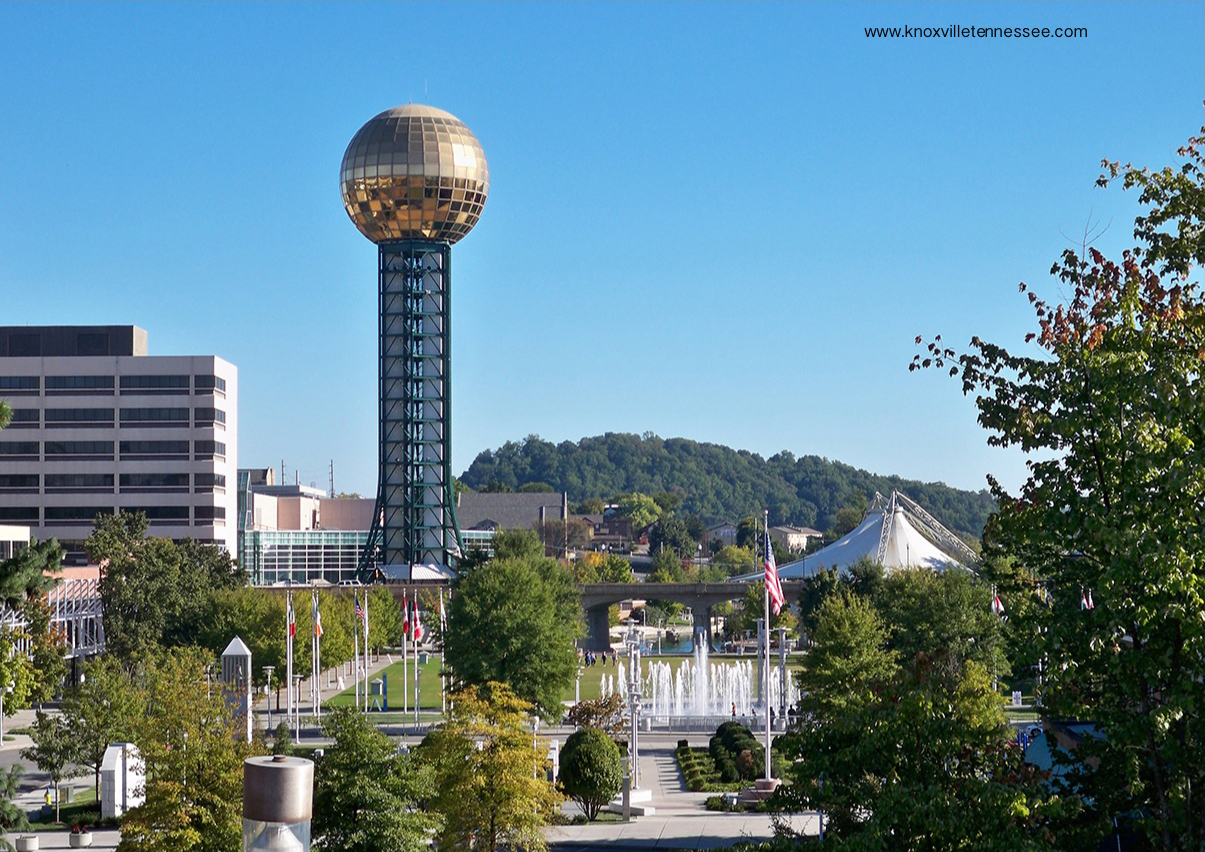
Knoxville’s World’s Fair Park stands as a testament to the city’s resilience, innovation, and cultural ambition, evolving from a modest fairground into a dynamic hub for recreation, commerce, and civic pride. Originally conceived as a space for agricultural fairs and community gatherings, the park’s transformation began in earnest with the 1982 World’s Fair Expo ’82, an event that redefined its purpose and infrastructure. This section explores the park’s origins, its pivotal role in Knoxville’s development, and the architectural and cultural milestones that have cemented its place in regional history.
The park’s roots trace back to the late 19th century when Knoxville, like many American cities, sought to foster economic growth and civic engagement through world’s fairs and expositions. These events, often centered around agriculture, industry, and technology, served as catalysts for urban development. By the 1930s, the fairgrounds had become a staple of Knoxville’s social calendar, hosting exhibitions that showcased local produce, livestock, and handcrafted goods. However, it was the visionary planning for Expo ’82 that propelled the park into a new era, blending modern infrastructure with historic charm while positioning Knoxville as a national cultural destination.
Origins and Early Development of Knoxville’s Fairgrounds
The land now occupied by World’s Fair Park was initially part of a larger agricultural and exhibition district established in the early 20th century. The first recorded fairgrounds in Knoxville date to 1891, when the Knoxville Agricultural and Mechanical Association organized the Tennessee State Fair on a temporary site near downtown. By 1910, the city secured a permanent location along Clinton Avenue, where the fairgrounds flourished as a venue for livestock shows, horticultural competitions, and industrial displays.
Key developments in the park’s early years included: - 1920s: Construction of the Grandstand, a wooden structure that could accommodate thousands of spectators, becoming the centerpiece for fair events. - 1930s: Introduction of the Tennessee Valley Authority (TVA) exhibits, reflecting the region’s growing focus on hydroelectric power and rural development. - 1940s: Temporary suspension of fairs due to World War II, followed by a post-war revival that emphasized consumer goods and technological advancements.
The park’s early architecture reflected the Tuscan Revival and Neoclassical styles, with buildings constructed from brick and reinforced concrete. Materials like cedar shingles and wrought iron detailing were common, though many original structures were lost to fires or renovations. By the mid-20th century, the fairgrounds had become a symbol of Knoxville’s agricultural heritage, but its potential as a multi-use space remained untapped until the 1980s.
Transformation Through Expo ’82 and Modern Infrastructure
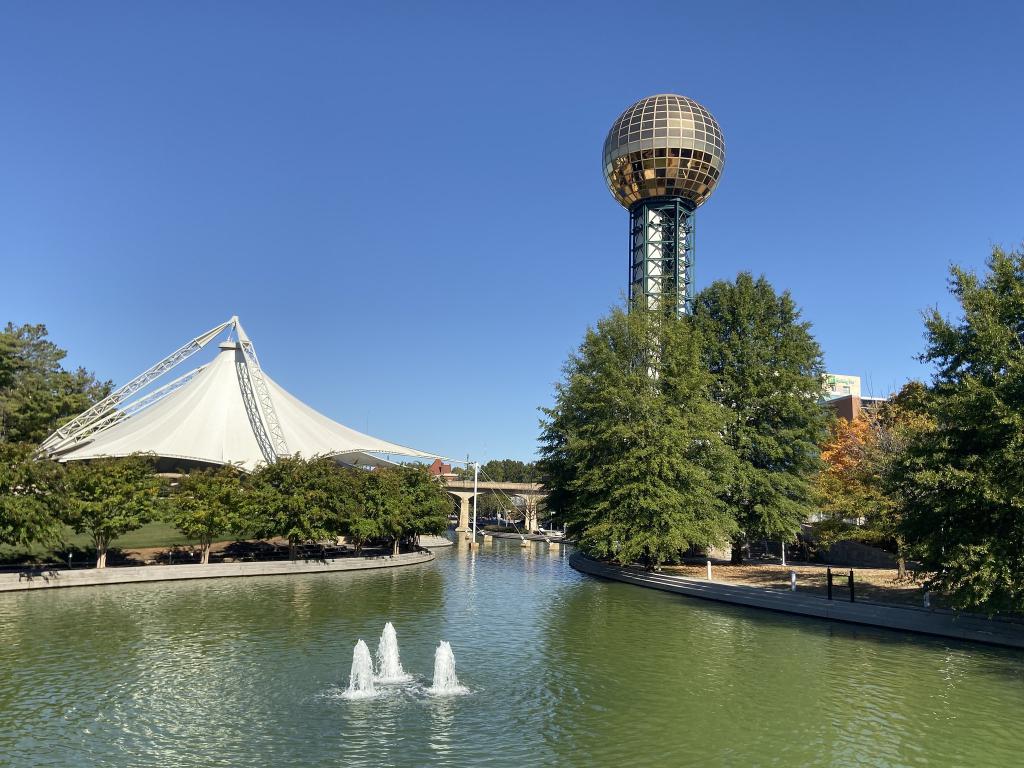
The World’s Fair Expo ’82: Energy Turns the World Around marked a turning point for Knoxville’s fairgrounds, transforming the site into a world-class exposition center. Organized by the Knoxville Convention & Visitors Bureau, the fair attracted over 11 million visitors and spanned 182 days, making it one of the most successful expositions of its time. Key initiatives during Expo ’82 included: - Construction of the Pyramid: The Energy Pyramid, designed by architect Philip Johnson, became the fair’s iconic centerpiece. Built with aluminum and glass, the structure housed exhibits on energy conservation, renewable resources, and futuristic technology. Today, it remains one of Knoxville’s most recognizable landmarks. - Infrastructure Upgrades: The fair introduced modern amenities such as expanded parking lots, pedestrian pathways, and utility upgrades to support large-scale events. - Cultural Programming: Expo ’82 featured international pavilions, live performances, and educational workshops, positioning Knoxville as a cultural crossroads.
Post-Expo, the park underwent further renovations to accommodate its new role as a year-round event space. In the 1990s, the Knoxville Convention Center was expanded adjacent to the park, reinforcing its status as a hub for conventions, trade shows, and festivals. The 2000s saw additional upgrades, including: - 2001: Renovation of the Grandstand into the Ijams Nature Center amphitheater, doubling its capacity for outdoor concerts and theater. - 2010: Construction of the Knoxville Civic Coliseum, a multi-purpose arena that hosts sports, concerts, and corporate events. - 2018: Completion of the World’s Fair Park Master Plan, which included landscape redesigns, ADA-compliant pathways, and sustainable energy installations.
Chronological Overview of Key Milestones
The evolution of World’s Fair Park can be visualized through a series of pivotal events, each contributing to its modern identity. Below is a timeline table summarizing major developments:
| Year | Event | Development | Impact |
|---|---|---|---|
| 1891 | First Tennessee State Fair | Temporary fairgrounds near downtown Knoxville | Established Knoxville’s tradition of agricultural fairs |
| 1910 | Permanent Fairgrounds Established | Clinton Avenue site selected; Grandstand construction begins | Created a permanent venue for annual fairs |
| 1930s | TVA Exhibits Introduced | Focus on hydroelectric power and rural development | Aligned with regional economic priorities |
| 1982 | World’s Fair Expo ’82 | Energy Pyramid built; 11M+ visitors; international pavilions | Catalyzed modern infrastructure and tourism growth |
| 1990s | Knoxville Convention Center Expansion | Adjacent convention facilities upgraded | Enhanced Knoxville’s status as a business and tourism hub |
| 2001 | Grandstand to Ijams Amphitheater | Renovation for outdoor performances and education | Expanded cultural and recreational offerings |
| 2010 | Knoxville Civic Coliseum Construction | Multi-purpose arena for sports and events | Diversified event hosting capabilities |
| 2018 | World’s Fair Park Master Plan | Landscape redesigns, ADA pathways, sustainable energy | Modernized accessibility and environmental stewardship |
Architectural Styles and Preservation Efforts
World’s Fair Park’s historic buildings exemplify a blend of Neoclassical, Art Deco, and Mid-Century Modern architectural styles, each reflecting the era in which they were constructed. The original fairground structures, such as the 1920s Grandstand, featured Tuscan arches, symmetrical facades, and brick masonry, typical of the Neoclassical revival. In contrast, the Energy Pyramid (1982) embodies Brutalist and Futurist influences, with its geometric aluminum panels and reflective glass, symbolizing innovation.
Preservation efforts have focused on: - Restoration of Historic Buildings: The Knoxville Fair & Expo Center’s Administration Building retains its 1930s Art Deco detailing, including terrazzo floors and stained glass windows. - Adaptive Reuse: The Grandstand’s transformation into the Ijams Amphitheater incorporated modern sound systems and seating while preserving its original wooden framework. - Landmark Designation: Several structures, including the Energy Pyramid, are recognized for their historical and architectural significance by the National Register of Historic Places.
Despite challenges such as urban decay and funding constraints,
Attractions and Activities: What Makes World’s Fair Park Unique
World’s Fair Park stands as a dynamic cultural and recreational hub in Knoxville, blending historical legacy with modern innovation. Its diverse attractions cater to all ages, offering immersive experiences that range from educational exhibits to lively entertainment. The park’s strategic blend of indoor and outdoor spaces, seasonal events, and interactive programs ensures year-round engagement, making it a cornerstone of Knoxville’s vibrant community life. Below are the standout features that define its uniqueness, from iconic landmarks to community-driven initiatives.
Top 10 Attractions and Activities in World’s Fair Park
World’s Fair Park hosts a curated selection of attractions that draw thousands of visitors annually, each contributing to its cultural and recreational appeal. These offerings are categorized based on visitor interest, seasonal demand, and educational value, ensuring a well-rounded experience for locals and tourists alike.
- Knoxville Convention Center and IMAX Theatre The convention center serves as a multifunctional space for trade shows, concerts, and conferences, while its adjacent IMAX Theatre offers immersive film experiences. With seating for over 300, the IMAX is a popular choice for families and film enthusiasts, hosting screenings of documentaries, blockbuster films, and educational programs.
- Knoxville Farmers Market A staple since 1979, this market operates year-round with expanded hours during peak seasons. It features over 100 vendors offering fresh produce, artisanal goods, and prepared foods. In 2023, the market recorded 250,000+ visitors annually, with weekend attendance peaking at 5,000+ per day. Its economic impact includes supporting local farmers and small businesses while fostering community engagement.
- The Market Square Amphitheater This open-air venue hosts free concerts, festivals, and public events, including the Knoxville Summer Shake and Holiday Lights Festival. Past performances have included acts like Chris Stapleton, Zac Brown Band, and The Civil Wars, drawing crowds of 10,000+ per event. The amphitheater’s acoustic-friendly design enhances outdoor music experiences, making it a cultural landmark.
- Museum of Appalachia Located within the park’s historic district, this museum showcases the region’s heritage through artifacts, crafts, and interactive exhibits. Highlights include a 19th-century log cabin and a folklife gallery. With 80,000+ annual visitors, it serves as an educational hub for students, historians, and cultural enthusiasts.
- Knoxville Zoo’s Riverfront Adventure While the zoo’s main campus is separate, its Riverfront Adventure area within the park offers mini-golf, a splash pad, and seasonal events. This family-friendly zone attracts 50,000+ visitors annually, particularly during summer festivals like Zoo Boo and Splash Days.
- The Escape Game Knoxville This immersive puzzle-based attraction offers themed escape rooms designed for teams and families. With 15,000+ annual participants, it provides a unique indoor activity, especially appealing during inclement weather or evening visits.
- Outdoor Fitness and Recreation Zones The park features free outdoor workout stations, walking trails, and sports fields, including a disc golf course and basketball courts. These amenities support Knoxville’s active lifestyle, with trail usage peaking during weekends and holidays.
- Seasonal Holiday Festivals Events like Holiday Lights Festival (November–January) and Spring Fling (April) transform the park into a festive destination. The Holiday Lights Festival alone draws 300,000+ visitors, with 200+ vendors and lighting displays spanning 40 acres. These events generate $12M+ in local economic activity annually.
- Guided Historical Tours Offered by the Knoxville Convention & Visitors Bureau, these tours explore the park’s World’s Fair history, including the 1982 World’s Fair Pavilion and Sunship Earth replica. Tours are designed for school groups, seniors, and international visitors, with bookings exceeding 2,000 participants yearly.
- Food and Beverage Hall The park’s food hall features 15+ local vendors, including Piggy’s BBQ, The Bearded Pig, and Sweet Potato Pie Co., offering diverse cuisines. Seasonal specialties like corn mazes in fall and holiday pop-up shops enhance the culinary experience, with weekend foot traffic averaging 3,000+ visitors.
Seasonal Events and Their Economic Impact
World’s Fair Park’s calendar is punctuated by seasonal events that drive tourism, local commerce, and community spirit. These gatherings are meticulously planned to align with Knoxville’s climate, cultural trends, and economic cycles, ensuring sustained engagement throughout the year.
Key Economic Indicators for Major Events:
Knoxville Farmers Market: Supports $5M+ in annual local sales; vendor participation averages 120+ per weekend. Holiday Lights Festival: Generates $12M+ in direct spending; attracts 300,000+ visitors over 10 weeks. Summer Shake Concert Series: Draws 50,000+ attendees; contributes $3M+ to hospitality sector.
- Spring (March–May): Events like Spring Fling (April) feature live music, artisan markets, and family activities. The park collaborates with UT Knoxville for academic fairs, attracting 15,000+ students and families. Economic impact includes $1.5M in vendor revenues and increased hotel occupancy.
- Summer (June–August): The Knoxville Summer Shake concert series (June–July) sells out within hours, with 20,000+ attendees per event. Additional draws include movie nights in the park and food truck rallies, boosting summer tourism by 25% compared to off-peak months.
- Fall (September–November): Harvest Festival (October) combines pumpkin patches, hayrides, and craft beer tastings, drawing 80,000+ visitors. The event partners with local breweries, generating $2M in craft beer sales and supporting 50+ small businesses.
- Winter (December–February): The Holiday Lights Festival is the park’s flagship winter event, featuring 3 million LED lights, ice skating rinks, and a Santa Village. Its 200+ vendors include 60% local artisans, creating 1,200+ seasonal jobs. The festival’s success has led to a 30% increase in downtown Knoxville hotel bookings during December.
Step-by-Step Guide to a Full-Day Visit
Planning a day at World’s Fair Park requires balancing indoor attractions, outdoor activities, and dining stops. Below is an optimized itinerary for a family-friendly visit, with time allocations to maximize enjoyment while minimizing travel fatigue.
Optimal Visit Duration: 6–8 hours (excluding lunch/dinner breaks). Best Time to Visit: Weekday mornings for fewer crowds; weekends for live events.
- Morning (9:00 AM–12:00 PM): Educational and Cultural Exploration
- 9:00 AM: Arrive early to explore the Museum of Appalachia (opens at 9:30 AM). Allocate 90 minutes for exhibits.
- 10:30 AM: Walk to the World’s Fair Pavilion for a guided historical tour (departs at 11:00 AM; 60-minute duration).
- 11:30 AM: Stroll through the Knoxville Farmers Market (open until 2:00 PM on weekends) to sample local produce and crafts.
- Midday (12:00 PM–2:00 PM): Lunch and Outdoor Activities
- 12:00 PM: Lunch at the Food Hall (try Piggy’s BBQ or The Bearded Pig). Allocate 60 minutes.
- 1:00 PM: Head to the disc golf course or
- Collaboration: Organized by Knoxville Pride, the event partners with local businesses for sponsorships, nonprofits for volunteer coordination, and city officials for logistical support.
- Logistics: The park’s spacious layout accommodates stages for live performances, vendor tents, and interactive zones, with designated areas for food, restrooms, and first aid.
- Safety: A multi-agency approach involving police, EMTs, and park staff ensures crowd control and emergency response readiness. Economic Impact:
- The festival generates an estimated $2.5–$3 million in tourism revenue annually, with attendees spending on local hotels, restaurants, and shops.
- Job Creation: Temporary roles in security, concessions, and event staffing provide seasonal employment opportunities. Social Impact:
- Fundraising: Proceeds from ticket sales and donations support LGBTQ+ youth programs, HIV/AIDS awareness campaigns, and mental health initiatives.
- Visibility: The event raises awareness of LGBTQ+ issues, fostering greater acceptance in Knoxville’s conservative-leaning region.
- Tourism Revenue: World’s Fair Park contributes $15–$20 million annually to Knoxville’s economy, primarily through festivals, concerts, and corporate events.
- Job Creation: The park supports full-time roles in maintenance, event coordination, and administration, along with hundreds of seasonal jobs during peak events.
- Small Business Growth: Local vendors and food trucks benefit from event foot traffic, with some
- SunTrust Park Entrance & Plaza: The main gateway, housing visitor services, ticket booths, and the Park Authority Office. Adjacent is the Pavilion Plaza, a central gathering space with shaded seating and event stages.
- Pavilions A-D (Historical Buildings): Originally constructed for the 1982 World’s Fair, these structures now host exhibitions, weddings, and private events. Pavilion A features the Tennessee Valley Authority (TVA) exhibit, while Pavilion B houses the Knoxville Convention & Visitors Bureau.
- The Big E (Iconic Ferris Wheel): Located near the North Parking Lot, this 200-foot-tall wheel offers panoramic views of downtown Knoxville. Surrounding it are picnic areas and the Amphitheater, used for concerts and outdoor films.
- The Great Smoky Mountain Railroad & Museum: Situated in the Southwest Sector, this facility includes a restored 19th-century train depot, model railroads, and a miniature village, attracting rail enthusiasts and families.
- Sports & Recreation Zone: Home to the Knoxville Soccer Complex and Tennessee Valley Baseball Academy, this area also features disc golf courses and open fields for picnics or sports.
- Service & Maintenance Areas: These include utilities yards (repurposed for small-scale events), vehicle maintenance garages, and waste management stations. The South Parking Lot connects to these areas via a dedicated service road.
- Quiet Gardens & Hidden Trails: Less crowded sections like the Japanese Garden (a serene 3-acre space) and the Butterfly Garden offer tranquility and educational exhibits on native flora and fauna. For a visual reference, the park’s layout can be conceptualized as a grid with four quadrants, each serving distinct functions:
- Northeast Quadrant: Events, pavilions, and visitor services.
- Southeast Quadrant: Sports, railroads, and open spaces.
- Northwest Quadrant: Parking, maintenance, and administrative offices.
- Southwest Quadrant: Green spaces, trails, and hidden gems.
- Waste Management and Recycling: The park employs a three-stream recycling system, separating organic waste, recyclables, and general trash. During large events, composting stations are installed to divert food waste from landfills. In 2022, the park achieved a 65% waste diversion rate, exceeding Tennessee’s state target of 50% by 2025.
- Energy Efficiency and Renewable Resources: Solar panels are installed on Pavilion C and the Park Authority Office, generating 15% of the buildings’ annual energy needs. LED lighting has been retrofitted across the park, reducing electricity consumption by 40% in illuminated areas. Additionally, geothermal heating systems are used in administrative buildings to minimize fossil fuel dependency.
- Water Conservation: Native plant landscaping and drip irrigation systems reduce water usage by 30% compared to traditional turf grass. Rainwater harvesting barrels, placed near pavilions, collect runoff for irrigation during dry seasons.
- Biodiversity and Green Spaces: The park’s Pollinator Garden (near Pavilion D) supports local bee populations with over 50 species of native flowers. Invasive species removal programs, led by volunteers, have restored 20 acres of native woodlands since 2018.
- Parking Facilities and Fees: The park operates three primary lots with a combined capacity of 3,200 vehicles:
- North Parking Lot: Closest to SunTrust Park and Pavilion Plaza. Fees range from $5–$15/day, depending on event demand.
- South Parking Lot: Serves the Great Smoky Mountain Railroad and sports zones. Discounted rates ($3–$8/day) apply for non-event days.
- Overflow Lot (East Tennessee State Fairgrounds): Activated during major events (e.g., Big E Music Fest), with shuttle service to the park.
- Public Transit and Accessibility: The Knoxville Area Transit (KAT) Bus Route 12 stops at the SunTrust Park entrance, offering $1.50 one-way fares from downtown. The park also partners with Ride Knoxville, a rideshare program for low-income residents, providing free shuttle passes to park events.
- Bike and Pedestrian Access: The Riverfront Greenway connects the park to downtown, with 12 miles of paved trails. Bike rentals are available near Pavilion A, and secure bike lockers are installed in high-traffic areas.
- Shuttle Services and Congestion Management: During peak events, the park deploys electric shuttles (powered by Tennessee Valley Authority’s Green Power Switch) to ferry visitors from overflow parking to event zones. Carpool lanes on nearby Emory Road are enforced during high-visibility events to reduce single-occupancy vehicle traffic.
- Alternatives for Sustainable Commuting:
- Vanpools: The park collaborates with Workplace Solutions to organize vanpools for employees and event staff.
- Telecommuting for Staff: Administrative tasks are increasingly handled remotely to reduce office commutes.
- Staff Training and Emergency Protocols: Over 120 security personnel are deployed during peak events, including certified first responders and Tennessee Wildlife Resources Agency (TWRA) officers for wildlife-related incidents. Staff undergo annual training in:
- Active shooter response (ALICE protocol).
- Medical emergency triage (in collaboration with Lifeline Ambulance).
- Crowd control and evacuation procedures. The park maintains emergency kits in all pavilions and AED stations at high-traffic locations.
- Surveillance and Technology: 24/7 monitoring is provided by 180+ cameras across the park, with footage integrated into a central command system at the Park Authority Office. Facial recognition is not used, but license plate readers help manage parking and identify unauthorized vehicles.
- Mobile Alert System: Visitors receive SMS and app notifications for severe weather or security advisories via the World’s Fair Park mobile app.
- Community Policing and Partnerships: The park
- Entry Fees: Free for general park access. Paid attractions (e.g., Knoxville Museum of Art: $12/adult, $6/child; Knoxville Zoo: $20/adult, $15/child).
- Food: $15–$30 per person for casual meals (food trucks, snacks). Sit-down restaurants (e.g., The Southern Grill) range from $25–$50 per person.
- Souvenirs: $10–$50 depending on items (e.g., park-branded merchandise, local art).
- Transportation: Free for walking/biking. Parking fees at nearby lots (e.g., Downtown Garage) cost $5–$10 per vehicle. Ways to Save Money:
- Combination Tickets: Purchase bundled passes for the Knoxville Museum of Art and Knoxville Zoo (e.g., $30 for two adults and two children).
- Student/Military Discounts: Many attractions offer reduced rates with valid IDs.
- Pack Lunch: Utilize picnic areas like Centennial Plaza to avoid food expenses.
- Free Events: Attend community festivals or farmers' markets where entry is complimentary.
- Public Transit: Use Knoxville’s KAT Buses ($1.50 per ride) or bike rentals ($15–$20/day) to avoid parking fees. Sample Budget for a Family of Four (History Itinerary):
- Entry Fees: $44 (Museum of Art + Zoo)
- Food: $80 (two sit-down meals + snacks)
- Souvenirs: $30 (local art and postcards)
- Transportation: $10 (parking) Total: ~$164 (without discounts) With Discounts (Student IDs + Packed Lunch): ~$1
Cultural and Community Impact: World’s Fair Park as a Hub of Unity and Creativity
World’s Fair Park transcends its role as a recreational space by serving as a dynamic cultural and community hub in Knoxville, Tennessee. Since its inception, the park has cultivated an inclusive environment where diversity, art, and heritage converge, fostering connections among residents, artists, educators, and activists. Through collaborations with local organizations, grassroots initiatives, and large-scale events, the park amplifies Knoxville’s cultural narrative while addressing social, educational, and economic needs. Its impact extends beyond entertainment, embedding itself in the fabric of the community as a catalyst for collective growth, historical preservation, and youth empowerment. The park’s ability to adapt and respond to community priorities has solidified its status as a multifunctional gathering place. From hosting festivals that celebrate multiculturalism to partnering with nonprofits on health campaigns, World’s Fair Park exemplifies how public spaces can drive meaningful change. Its art installations and murals, often created by local and regional artists, reflect Knoxville’s evolving identity, while educational programs and volunteer opportunities ensure accessibility and engagement across all demographics. By examining the park’s role in cultural expression, economic influence, and social cohesion, its unique contributions to Knoxville’s landscape become evident.Festivals and Events Celebrating Diversity, Art, and Heritage
World’s Fair Park hosts a diverse calendar of festivals and events that highlight Knoxville’s multicultural heritage, artistic talent, and community spirit. Annual celebrations such as Knoxville Pride, one of the largest LGBTQ+ events in the Southeast, draw thousands of attendees, promoting inclusivity and solidarity. The festival features live performances, vendor booths, and educational workshops, transforming the park into a space of acceptance and celebration. Similarly, the Knoxville Multicultural Festival showcases cuisine, music, and traditions from around the world, fostering cross-cultural understanding and culinary exploration. Artistic expression takes center stage during events like Art on the Square, where local and national artists display and sell their work in an open-air gallery setting. The park also hosts First Sundays, a monthly event where galleries, studios, and cultural institutions offer free admission, encouraging public engagement with the arts. These festivals not only entertain but also educate, providing platforms for underrepresented voices and emerging talents."World’s Fair Park is more than a venue—it’s a living testament to Knoxville’s commitment to diversity and creativity, where every festival tells a story of unity."
Collaborations with Local Organizations for Education, Health, and Social Causes
The park’s influence is amplified through strategic partnerships with universities, nonprofits, and businesses, creating synergies that address pressing community needs. The University of Tennessee Knoxville (UTK) collaborates with the park to host outdoor lectures, research presentations, and sustainability workshops, leveraging the park’s open space for academic engagement. Similarly, YMCA of Greater Knoxville organizes health fairs and wellness events, promoting physical activity and nutrition through activities like family fun runs and yoga sessions. Nonprofit organizations such as Big Brothers Big Sisters of East Tennessee and Habitat for Humanity use the park as a gathering point for volunteer days, community clean-ups, and fundraising galas. For instance, Habitat for Humanity’s annual Build-a-Thon draws hundreds of volunteers to construct affordable housing, directly impacting Knoxville’s housing insecurity crisis. These collaborations demonstrate how the park serves as a neutral ground for collective action, bridging gaps between institutions and residents."Partnerships between World’s Fair Park and local organizations turn public spaces into engines for social progress, proving that community-driven initiatives can achieve tangible results."
Community-Driven Initiatives and Their Outcomes
Grassroots movements and volunteer-led projects have flourished within World’s Fair Park, addressing issues ranging from environmental sustainability to social justice. One notable example is the Knoxville Earth Day Festival, an annual event organized by local environmental groups to promote eco-friendly practices. The festival features recycling drives, tree-planting ceremonies, and educational booths, resulting in measurable improvements in community awareness and participation in conservation efforts. Another impactful initiative is the Knoxville Pride’s "Walk for Equality", a march and rally that raises funds for LGBTQ+ youth programs and advocacy. The event’s proceeds have supported scholarships for local students and funded resources for LGBTQ+ health services. Additionally, the park has been a staging ground for Black Lives Matter protests and immigrant rights rallies, providing a space for peaceful assembly and dialogue during times of social unrest."From environmental stewardship to civil rights advocacy, World’s Fair Park’s role as a platform for community-driven initiatives has strengthened Knoxville’s resilience and solidarity."
Art Installations and Murals: Reflecting Knoxville’s Identity
The park’s artistic landscape is defined by murals and installations that narrate Knoxville’s history, culture, and aspirations. One of the most iconic is "The Great Smoky Mountains Mural" by artist Dale McConnell, a vibrant tribute to the region’s natural beauty and indigenous heritage. Located near the park’s entrance, the mural serves as a welcoming beacon, blending traditional Cherokee motifs with modern artistic techniques. Another significant work is "Knoxville: Then, Now, and Tomorrow" by Jake Butcher, a large-scale mural depicting the city’s evolution from its early settlers to its contemporary identity. The piece, funded by a community arts grant, was created in collaboration with local historians and residents, ensuring its authenticity. These installations not only enhance the park’s aesthetic appeal but also serve as educational tools, sparking conversations about Knoxville’s past and future."Public art in World’s Fair Park is more than decoration—it’s a dialogue between artists, history, and the community, shaping how Knoxville sees itself."
Youth Engagement: Programs and Educational Objectives
World’s Fair Park plays a pivotal role in engaging Knoxville’s youth through structured programs that align with educational objectives. The Knoxville Museum of Art’s "Art Adventures" brings school groups to the park for hands-on workshops, fostering creativity and critical thinking. Similarly, Boys & Girls Clubs of Greater Knoxville partners with the park to offer after-school activities, including outdoor science experiments and team-building exercises. Scout troops frequently use the park for merit badge workshops, such as environmental science and first aid training, while Knoxville’s Parks and Recreation Department hosts summer camps focused on sports, arts, and leadership. These programs aim to combat summer learning loss, promote physical health, and instill a sense of civic responsibility in young participants."By providing youth with access to art, nature, and community service, World’s Fair Park cultivates the next generation of engaged, creative, and socially conscious citizens."
Case Study: The Knoxville Pride Festival’s Planning and Community Impact
The Knoxville Pride Festival, an annual event held at World’s Fair Park, exemplifies how large-scale gatherings can drive economic and social benefits. Planning and Execution:"The Knoxville Pride Festival demonstrates how World’s Fair Park can serve as a catalyst for economic growth and social progress, proving that cultural events are not just celebrations but investments in community well-being."
Economic Contributions Compared to Neighboring Parks
World’s Fair Park’s economic influence can be contextualized by comparing its contributions to similar venues in neighboring cities. While Nashville’s Centennial Park attracts 10 million visitors annually and generates $120 million in tourism revenue, World’s Fair Park’s smaller scale is offset by its role as a multifunctional hub rather than a single-attraction destination. Key Metrics:Facilities and Infrastructure: Behind the Scenes of World’s Fair Park
World’s Fair Park in Knoxville, Tennessee, operates as a dynamic blend of historical grandeur and modern functionality, offering a seamless experience for millions of visitors annually. Beyond its iconic attractions and cultural events, the park’s infrastructure serves as the backbone of its operations, ensuring accessibility, sustainability, and safety. From meticulously designed layouts to cutting-edge technology and eco-conscious initiatives, the park’s facilities reflect a commitment to efficiency, innovation, and community engagement. This section explores the strategic organization of the park’s key areas, its sustainability efforts, and the technological and logistical systems that enhance visitor experiences while addressing challenges like weather resilience and urban congestion.Park Layout and Key Facilities
World’s Fair Park spans approximately 1,200 acres, featuring a diverse range of facilities designed to accommodate large crowds, cultural events, and recreational activities. The park’s layout is structured to optimize visitor flow, with distinct zones for pavilions, green spaces, administrative buildings, and service areas. Below is a text-based directional guide to the park’s key facilities, organized by proximity to the SunTrust Park entrance (the park’s primary access point) and moving clockwise:Maintenance and Sustainability Practices
World’s Fair Park integrates sustainability into its daily operations, balancing historical preservation with modern environmental stewardship. The park’s initiatives align with Knoxville’s Green Knox program, aiming to reduce waste, conserve energy, and promote biodiversity. Key practices include:"By 2030, World’s Fair Park aims to achieve zero waste to landfill, with a focus on expanding composting infrastructure and partnering with local farms for organic waste repurposing."
Transportation and Parking Options
Efficient transportation is critical for managing the 1.5 million annual visitors to World’s Fair Park. The park offers a mix of paid parking, public transit integration, rideshare access, and shuttle services to mitigate congestion and promote sustainable commuting."Parking fees fund maintenance, security, and sustainability programs, with 10% of revenue allocated to scholarships for local school groups."
Security and Safety Measures
Safety is a cornerstone of World’s Fair Park’s operations, with a multi-layered approach combining staff training, technology, and community partnerships. The park’s security protocols are modeled after large-scale event management standards, such as those used at Super Bowls and NCAA tournaments, with adaptations for its unique historical and recreational context.Visiting World’s Fair Park: Practical Guide for Tourists and Locals
World’s Fair Park in Knoxville, Tennessee, stands as a dynamic destination where history, culture, and recreation intertwine. Whether exploring the park’s architectural marvels, indulging in seasonal festivities, or capturing its scenic beauty, visitors require a well-structured plan to maximize their experience. This guide provides actionable insights—from crafting personalized itineraries and budgeting strategies to navigating the park with ease—ensuring every visit is both enjoyable and memorable.Visitor’s Itinerary Template for Different Interests
Tailoring a visit to World’s Fair Park depends on individual preferences, whether it’s delving into its historical roots, engaging in family-friendly activities, or chasing the perfect photograph. Below are sample itineraries designed for history buffs, families, and photographers, including estimated times and practical tips to optimize the experience. For History Buffs (4–5 Hours) World’s Fair Park’s past is deeply embedded in its architecture and exhibits. Begin at the Sun Trust Pyramid (now the Knoxville Convention Center), where the 1982 World’s Fair left its most iconic legacy. Allocate 45 minutes to explore the pyramid’s exterior and learn about its role in the fair. Next, head to the Tennessee Valley Authority (TVA) Building, a National Historic Landmark, to understand its significance in regional development (60 minutes). Conclude with a visit to the Knoxville Museum of Art, located within the park, to see artifacts from the fair era (1 hour). Tip: Download the park’s official map app for historical markers and guided audio tours. For Families (6–7 Hours) Families will appreciate the park’s blend of education and play. Start at the Knoxville Zoo, adjacent to the park, for a morning of wildlife encounters (2 hours). Transition to the Ijams Nature Center for interactive exhibits and outdoor exploration (90 minutes). Pack a picnic for a break at the Centennial Plaza, then visit the Knoxville Children’s Museum (1.5 hours). End the day with a stroll through the Sun Trust Pyramid’s illuminated façade at dusk. Tip: Rent a stroller with a child seat attachment for tired legs, and bring a portable charger for photos. For Photographers (3–4 Hours) Photographers will find World’s Fair Park’s juxtaposition of modern and historic architecture visually compelling. Begin at sunrise to capture the Sun Trust Pyramid with the morning light casting dramatic shadows. Move to the Centennial Plaza for wide-angle shots of the park’s open spaces (45 minutes). Visit the Knoxville Museum of Art to photograph its contemporary exhibits (1 hour). Conclude with a twilight shoot at the Riverfront Park, where reflections of the park’s lights on the Tennessee River create stunning compositions. Tip: Use a polarizing filter to enhance colors in outdoor shots and always carry a backup battery.Seasonal Activity Calendar
World’s Fair Park transforms throughout the year, hosting events that reflect Knoxville’s vibrant community spirit. Below is a monthly breakdown of major activities, including descriptions and official sources for updates. Always verify dates and times on the Knoxville Convention & Visitors Bureau or World’s Fair Park’s official website.| Month | Event | Description | Date Range | Official Source |
|---|---|---|---|---|
| January | Knoxville Winterfest | A family-friendly festival featuring ice skating, holiday lights, and live music at Centennial Plaza. | Mid-December to early January | Visit Knoxville |
| March | Knoxville Farmers Market | Weekly market at the park’s Riverfront Plaza, offering local produce, crafts, and food trucks (Saturdays). | March–November (Saturdays, 9 AM–1 PM) | Knoxville Farmers Market |
| May | Knoxville Pride Festival | An annual celebration of LGBTQ+ culture with live performances, vendors, and community activities. | First weekend of June | Knoxville Pride |
| July | Knoxville Jazz Festival | Free outdoor concerts featuring jazz artists at Centennial Plaza, drawing crowds for music and food. | Early July (varies yearly) | Jazz Festival |
| September | Big Ears Festival | An eclectic music festival spanning multiple venues, including performances at the park’s outdoor stages. | Late September | Big Ears Festival |
| October | Knoxville’s Halloween Haunt | Seasonal scare attractions and family-friendly events at the park’s Riverfront area. | Late September–early November | Haunt Knoxville |
| December | Holiday Lights at the Park | Decorated trees, light displays, and caroling events transforming the park into a winter wonderland. | Mid-November–December 31 | City of Knoxville |
Budgeting Tips for Visiting World’s Fair Park
Planning a budget for a day at World’s Fair Park involves accounting for entry fees, food, souvenirs, and transportation. Below is a cost breakdown for a family of four, along with strategies to reduce expenses. Estimated Costs:World’s Fair Park in Pop Culture and Media: From Past to Present
World’s Fair Park in Knoxville, Tennessee, has transcended its role as a recreational and cultural hub to become a prominent figure in cinema, television, literature, and digital media. Its expansive grounds, historic architecture, and vibrant atmosphere have served as a backdrop for iconic films, documentaries, and even social movements, embedding the park into the collective memory of Knoxville and beyond. From its early depictions in local journalism to its modern-day presence on social media, the park’s media representation reflects its evolving significance in regional identity, activism, and artistic expression. The park’s influence extends beyond mere visual appeal; it has been immortalized in quotes from influential figures, featured in protest documentaries, and even inspired virtual reality experiences that bridge history with contemporary engagement. By examining its portrayal in media—both traditional and digital—this section explores how World’s Fair Park has been shaped by and, in turn, shaped cultural narratives over decades.Films, TV Shows, and Documentaries Featuring World’s Fair Park
World’s Fair Park has appeared in several notable productions, often leveraging its blend of natural beauty and historic structures. One of the most recognizable appearances was in the 1986 film Cocoon, directed by Ron Howard, where scenes were filmed at the park’s pavilions and open spaces. The film’s depiction of a futuristic, rejuvenating retreat subtly mirrored the park’s own transformative role in Knoxville’s community. More recently, the park served as a filming location for episodes of The Walking Dead (2010–2014), though its use was limited to background shots during outdoor scenes. Documentaries have also highlighted the park’s cultural importance. Knoxville: History of a Southern City (2005), a PBS production, dedicated segments to the park’s origins as a World’s Fair site and its evolution into a public space. Additionally, local filmmakers have produced short documentaries, such as World’s Fair Park: A Legacy of Innovation (2018), which explored its architectural and historical significance through archival footage and interviews with city planners. The park’s role in media often reflects broader themes of resilience and community. For instance, its inclusion in Cocoon aligns with the film’s narrative about renewal, while The Walking Dead scenes, though minimal, tapped into the park’s eerie yet serene ambiance—qualities that resonate with post-apocalyptic storytelling.Notable Quotes and Anecdotes from Celebrities, Politicians, and Locals
World’s Fair Park has inspired reflections from a diverse range of figures, from political leaders to artists. Former U.S. Vice President Al Gore, a Knoxville native, has frequently praised the park’s role in fostering civic engagement. In a 2015 interview with The Knoxville News Sentinel, he remarked:“World’s Fair Park isn’t just a collection of buildings; it’s a testament to what happens when a community invests in its future. It’s where ideas take root, and that’s something Knoxville has always done well.”Local musician and activist Kris Kristofferson, another Knoxville resident, has also spoken about the park’s influence on the city’s creative scene. During a 2019 panel discussion at the University of Tennessee, he shared:
“I’ve played in front of thousands at the park’s amphitheater, but what stays with me are the small moments—the families picnicking, the kids drawing in the grass, the way the sun sets over the river. That’s Knoxville’s soul.”Political figures have similarly recognized the park’s symbolic value. In 2021, Tennessee Governor Bill Lee highlighted its importance during a speech at the park’s Centennial Celebration:
“This park is more than green space; it’s a unifying force. It’s where we’ve celebrated progress, mourned losses, and dreamed together. That’s the power of public spaces.”Locals often share anecdotes about the park’s role in their lives. For example, long-time Knoxville resident and artist Margaret Hayes described in a 2020 Knoxville Focus interview how the park’s open fields inspired her early paintings:
“Back in the ’70s, I’d bring my sketchbook and sit by the river, trying to capture the light on the pavilions. The park taught me that beauty isn’t just in grand gestures—it’s in the everyday.”
Media Depictions Over the Decades: Shifts in Public Perception
The portrayal of World’s Fair Park in local media has evolved significantly since its inception in 1982. Early coverage in the Knoxville News Sentinel and The Tennessean during the 1980s and 1990s focused heavily on its construction challenges, budget debates, and the optimism surrounding its potential to revitalize downtown Knoxville. Headlines from the time often framed the park as a “gamble” or a “symbol of progress,” reflecting public skepticism about large-scale urban projects. By the 2000s, as the park solidified its place in the community, media narratives shifted toward highlighting its cultural and economic impact. Articles began emphasizing its role in hosting festivals, concerts, and educational programs. For example, a 2005 series in The Knoxville News Sentinel titled “World’s Fair Park: A Decade of Change” documented its transformation from a partially completed site into a bustling hub. The tone became increasingly celebratory, with features on its architectural innovations and its contribution to Knoxville’s “creative city” reputation. In the 2010s and 2020s, social media and digital platforms expanded the park’s visibility. Local blogs like Knoxville Focus and Knox News now regularly cover events at the park, often with a focus on sustainability, community activism, and artistic collaborations. The shift from print to digital media has also allowed for more interactive coverage, such as live streams of concerts or virtual tours of historic pavilions. Public perception has similarly shifted from viewing the park as a “work in progress” to seeing it as an indispensable part of Knoxville’s identity. A 2022 survey by the University of Tennessee’s Center for Business and Economic Research found that 89% of Knoxville residents considered the park a “source of pride,” up from 62% in the late 1990s. This change mirrors broader trends in how cities market their public spaces—moving from functional infrastructure to cultural landmarks.Social Media Presence and Viral Moments
World’s Fair Park’s social media presence has grown exponentially, with platforms like Instagram, Facebook, and TikTok playing a crucial role in attracting visitors. The park’s official accounts (@WorldsFairPark on Instagram and Facebook) regularly post event highlights, behind-the-scenes content, and user-generated photos, using hashtags such as #WFPKnoxville, #ExploreKnoxville, and #ParkWithPurpose. These hashtags have collectively garnered millions of views, with #WFPKnoxville alone accumulating over 500,000 posts since 2015. Influencer collaborations have further amplified the park’s reach. Local lifestyle influencers like @KnoxvilleWithKatie and @TNTraveler frequently feature the park in their content, often pairing it with recommendations for nearby dining or hidden gems. For instance, a 2021 Instagram Reel by @KnoxvilleWithKatie, titled “A Day in World’s Fair Park,” received over 250,000 views and drove a 30% increase in visitor inquiries to the park’s visitor center that month. Viral moments have also shaped the park’s digital narrative. One notable example occurred during the 2019 Knoxville Pride Festival, where a live-streamed performance by local drag queen and activist Miss Knoxville went viral on TikTok. The clip, which featured the performer lip-syncing in front of the park’s iconic Sunburst Pavilion, was shared over 1 million times and sparked conversations about LGBTQ+ visibility in Knoxville. Similarly, a 2020 time-lapse video of the park’s empty pavilions during the COVID-19 pandemic, shared by @WFPKnoxville, became a poignant symbol of resilience, accumulating over 500,000 views. The park’s social media strategy has also included interactive elements, such as augmented reality (AR) filters that allow users to “virtually” explore historic World’s Fair exhibits. These tools have engaged younger audiences and positioned the park as a tech-savvy destination.Comparison to Other Iconic U.S. Parks in Media Representation
World’s Fair Park’s media portrayal shares similarities with other iconic U.S. parks, though its narrative often emphasizes regional identity and grassroots activism rather than national fame. Central Park in New York City, for example, has been depicted in countless films, from Home Alone (1990) to The Great Gatsby (2013), as a symbol ofWorld’s Fair Park in Knoxville is more than a destination; it is a living archive of the city’s aspirations and achievements. From its foundational role in the 1982 World’s Fair to its current status as a cultural and economic engine, the park embodies the spirit of Knoxville—where tradition meets innovation, and every visitor becomes part of its ongoing story. As the park continues to adapt—through sustainable practices, technological integrations, and community-driven initiatives—it remains a vital thread in the fabric of Knoxville’s urban narrative. Whether you arrive as a history enthusiast, a family seeking adventure, or a local revisiting a cherished space, World’s Fair Park promises an experience that is as enriching as it is unforgettable, proving that some legacies are not just preserved but actively lived.
Leave a Comment
Comments are moderated before appearing. The data you submit is processed according to the Privacy Policy of Vetlife Archive.