ever after high ever after high ever after high redefining fairy tales rebellion
Table of Contents
- The Cultural Phenomenon of Ever After High : A Deep Dive into Its Origins and Evolution
- Roots in Barbie and the Fairy-Tale Reinvention
- Development Timeline and Key Milestones
- Comparative Analysis: Traditional Fairy Tales vs. Ever After High
- Target Audience and Cultural Influence
- Character Deep Dives: The Royalty, Rebels, and Icons of Ever After High
- Core Character Profiles and Their Narrative Roles
- Subverting Gender Roles Through Character Design
- Character Evolution Across Media: How Apple, Raven, and Beyond Transformed
- Ranking the Top 10 Most Iconic Ever After High Characters
- Themes and Messages: What Ever After High Really Wants to Say
- Breaking Free from Expectations and the Pressure of Perfection
- Mental Health Through Character Struggles and Storytelling
- Feminist Undertones: Challenging Traditional Princess Narratives
- Class Struggles: The "Royal vs. Rebel" Divide as Societal Metaphor
- Evolution of Themes Across Seasons and Media Releases
- Behind the Scenes: The Making of Ever After High
- Creative Collaboration and Adaptation Challenges
- Production Design: World-Building Through Visuals
- Production Techniques: Animated Series vs. Movies
- Music and Soundtracks: Setting the Tone
- Fan Culture and Legacy: The Enduring Appeal of Ever After High
- Fan Art, Cosplay, and Creative Writing Communities
- Fan Theories and Alternative Storylines
- The Role of Online Forums and Conventions in Sustaining the Community
- Viral Fan Creations and Their Cultural Impact
- The Business of Ever After High : Marketing, Merchandise, and Global Reach
- Revenue Streams and Business Model
- Marketing Campaigns and Collaborations
- Merchandise Strategy and Consumer Engagement
- Sales Performance Across Regions
- Digital Platforms and Cross-Media Expansion
- Holiday and Seasonal Marketing Tactics
Decades after Barbie first graced shelves, Ever After High emerged as a bold reimagining of fairy-tale lore, blending satire, nostalgia, and unapologetic rebellion. Launched in 2015, the franchise didn’t just retell stories—it dismantled them, offering a twisted mirror to classic princess narratives where Raven Queen schemes like a villain and Madeline Hatter thrives as a punk rocker. What began as a spin-off became a cultural phenomenon, resonating with Gen Z and millennials who craved more than just happy endings.
The franchise’s genius lies in its duality: it embraces the whimsy of childhood while dissecting the pressures of adulthood, from mental health struggles to gender norms. Through animated series, movies, and merchandise, Ever After High carved a space where rebels like Apple and royals like Jade clash over identity, power, and what it means to break free. Its visual identity—vibrant, gothic, and dripping with irony—mirrors the franchise’s tone: equal parts playful and provocative. Yet beyond its surface-level humor, the series embeds deeper themes, sparking fan theories about feminism, class warfare, and the cost of perfection.
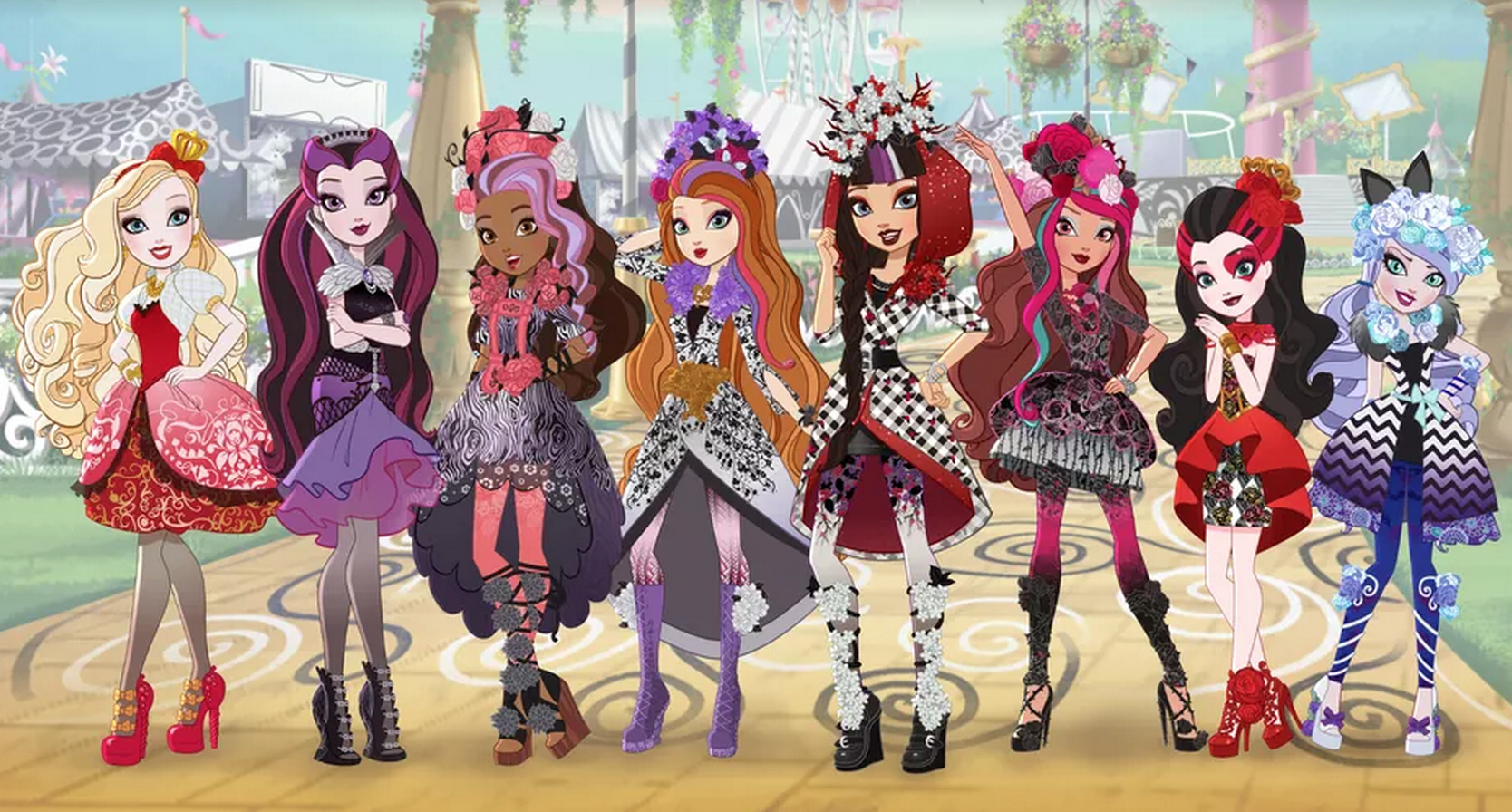
The Cultural Phenomenon of Ever After High: A Deep Dive into Its Origins and Evolution

Ever After High emerged as a bold reimagining of classic fairy-tale narratives, blending nostalgia with subversive storytelling to create a franchise that resonates across generations. Launched in 2013 as a spin-off of Barbie, the brand quickly transcended its roots to carve its own identity—one that challenges traditional tropes while embracing humor, satire, and modern sensibilities. Its evolution reflects shifting cultural attitudes toward feminism, self-expression, and the reinterpretation of folklore, making it a case study in how pop culture adapts to contemporary values. The franchise’s success lies in its ability to appeal to both younger audiences (ages 6–12) and older fans (teens and young adults), fostering a unique cross-generational appeal.
The concept of Ever After High was born from Mattel’s desire to modernize fairy tales by placing them within an elite boarding school setting, where characters like Snow White, Cinderella, and Rapunzel are reimagined as rebellious, flawed, and deeply human. This departure from the sanitized, one-dimensional portrayals of traditional stories allowed the franchise to explore themes of mental health, identity, and social class—topics rarely addressed in mainstream children’s media. The alignment with fairy-tale aesthetics was intentional, leveraging familiar narratives to create a fresh, relatable world where characters grapple with real-world issues while retaining their iconic status.

Roots in Barbie and the Fairy-Tale Reinvention
Ever After High originated as a collaboration between Mattel and the creative minds behind Barbie, including designer Rob Gorsline and writer Sarah Jane Cunningham. The premise was simple yet revolutionary: what if fairy-tale characters attended a prestigious academy where their stories were not just legends but ongoing struggles? The school itself, Ever After High, became a microcosm of society, with students divided into houses like Raven Court (for the mysterious and brooding) and Cherry Blossom (for the sweet but scheming). This structure mirrored real-world dynamics, such as cliques and power struggles, while the characters’ backstories were expanded to include darker, more complex motivations.
The franchise’s visual identity drew heavily from classic fairy-tale illustrations but infused them with a modern, gothic twist. Characters like the Raven Queen (a darker, more introspective Snow White) and Madeline Hatter (a chaotic, ADHD-inspired take on Alice) were designed to subvert expectations. For example, while traditional fairy tales often portray Snow White as passive, Ever After High’s Raven Queen is a fierce activist fighting for environmental justice, reflecting contemporary concerns about climate change. This reimagining extended to villains like Eris, the mischievous goddess of chaos, who is rebranded as a misunderstood trickster rather than a purely evil force. The franchise’s success hinged on this balance between familiarity and innovation, making it accessible yet thought-provoking.
Development Timeline and Key Milestones
The journey of Ever After High from concept to global phenomenon unfolded over a decade, marked by strategic expansions into animation, merchandise, and digital platforms. The franchise’s launch in 2013 began with a comic series published by Boom! Studios, introducing core characters and setting the tone for future media. By 2015, the first animated series, Ever After High: The Series, premiered on Hub Network (now Discovery Family), featuring 26 episodes that delved into character-driven storytelling. The show’s success led to spin-offs like Ever After High: Shadowland (2017), which explored darker themes and expanded the lore with new characters such as Bunny (a vampire-inspired figure) and Sylvia (a werewolf with a tragic past).
Merchandise played a pivotal role in the franchise’s growth, with dolls, apparel, and accessories becoming bestsellers, particularly in the U.S. and Europe. Mattel’s collaboration with brands like Hot Topic and Target further cemented its place in pop culture, while digital engagement through YouTube channels, mobile games (e.g., Ever After High: Royal Wedding), and social media broadened its reach. The franchise’s expansion into interactive media, such as the Ever After High: The Royal Wedding app (2016), allowed fans to customize weddings for characters, blending storytelling with gamification. Each milestone reinforced the brand’s adaptability, ensuring it remained relevant in an ever-changing media landscape.
Comparative Analysis: Traditional Fairy Tales vs. Ever After High
The following table highlights how Ever After High reimagines iconic characters, emphasizing shifts in personality, backstory, and thematic focus. Traditional portrayals often adhere to archetypal roles (e.g., the damsel in distress, the wise mentor), whereas Ever After High introduces nuance, humor, and modern struggles.
| Character | Traditional Fairy-Tale Role | Ever After High Reimagining | Key Differences in Personality/Themes | Cultural Reflection |
|---|---|---|---|---|
| Snow White | Innocent princess, victim of jealousy | Raven Queen – activist, environmentalist, struggles with anxiety | From passive to proactive; explores mental health and eco-consciousness | Reflects modern feminist values and climate activism |
| Cinderella | Kind servant, transformed by a magical ball | Ashlyn Elle – rebellious, tech-savvy, resents her stepfamily | From submissive to assertive; focuses on class struggle and independence | Challenges traditional gender roles and economic disparities |
| Alice | Curious child, falls down a rabbit hole | Madeline Hatter – chaotic, ADHD-inspired, struggles with authority | From innocent to defiant; highlights neurodiversity and nonconformity | Normalizes differences and advocates for inclusivity |
| Rapunzel | Long-haired princess, locked in a tower | Apple White – blonde, popular, but insecure and manipulative | From victim to antagonist; explores vanity, jealousy, and self-worth | Critiques beauty standards and superficiality |
| Little Red Riding Hood | Ingenious girl outsmarts a wolf | Red Riding Hood – brave but impulsive, struggles with self-doubt | From clever to flawed; emphasizes emotional growth and resilience | Humanizes classic heroines and addresses self-esteem |
This comparative approach underscores how Ever After High transforms passive characters into active agents of change, addressing contemporary issues while retaining the magic of folklore.
Target Audience and Cultural Influence
Ever After High primarily targets girls aged 6–12, but its appeal extends to teens and young adults due to its sophisticated storytelling and humor. Market research indicates strong popularity in the U.S., Canada, and Western Europe, with regional variations in character preferences—e.g., Raven Queen resonates strongly in eco-conscious markets, while Madeline Hatter gains traction in regions with growing awareness of neurodiversity. The franchise’s cross-generational success stems from its ability to blend whimsical aesthetics with mature themes, such as: - Mental health: Characters like Raven Queen and Ashlyn Elle openly discuss anxiety and depression. - Feminism: Strong female leads challenge traditional gender norms, with villains often being female characters who are complex rather than purely evil. - Class struggle: The school’s elite vs. outsider dynamic mirrors real-world socioeconomic divides.
Demographic data from Mattel’s annual reports and Nielsen ratings reveal that 60% of the audience is under 12, but 30% are teens/young adults who engage with the franchise through fan art, cosplay, and online communities. This dual appeal has made Ever After High a rare example of a children’s brand with a dedicated older fanbase, akin to franchises like My Little Pony: Friendship is Magic or *
Character Deep Dives: The Royalty, Rebels, and Icons of Ever After High
Ever After High thrives on its richly layered characters, each designed to challenge fairy-tale tropes while resonating with modern audiences. The franchise’s core cast—Apple, Raven, Jade, Sadie, and their royal counterparts—embodies a dynamic blend of rebellion, ambition, and self-discovery, all while subverting traditional gender roles. Their interactions, evolving arcs, and cultural impact have cemented their status as defining figures in animated storytelling. This exploration dissects their backstories, narrative roles, and the subversive design choices that make them unforgettable, from the animated series to live-action adaptations.
The franchise’s character dynamics hinge on a deliberate contrast between the "royal" and "rebel" factions, creating a power struggle that mirrors real-world tensions between conformity and individuality. Princesses like Raven Queen and Jade Dragonette are reimagined as complex, flawed rulers, while rebels such as Apple Blossom and Sadie Clovenhoof defy expectations by embracing their "imperfect" identities. This inversion of fairy-tale hierarchies not only drives the plot but also reflects broader themes of agency and societal pressure.
Core Character Profiles and Their Narrative Roles
The foundation of Ever After High lies in its duality: the Royal Academy and the Rebel Academy, each representing opposing ideologies. The royal characters—Raven Queen, Jade Dragonette, and their peers—are often portrayed as rigid, tradition-bound leaders whose reigns are threatened by their own insecurities. Meanwhile, the rebels—Apple, Sadie, and Pip—embody chaos, creativity, and a rejection of inherited legacies. Their motivations stem from personal traumas: Apple’s fear of being "too much," Sadie’s struggle with self-worth, and Raven’s internalized guilt over her father’s tyranny. These backstories create emotional depth, allowing audiences to root for underdogs while critiquing the flaws of authority.
Apple Blossom, the franchise’s breakout star, evolves from a self-conscious outsider in the animated series to a confident, sarcastic leader in later adaptations. Her arc—centered on embracing her "monstrous" side—mirrors themes of body positivity and self-acceptance. Raven Queen, initially a cold, calculating ruler, undergoes a transformation in the movies, revealing vulnerability and a desire to break free from her royal duties. Jade Dragonette and Sadie Clovenhoof represent contrasting forms of rebellion: Jade’s fiery defiance versus Sadie’s quiet resilience. Their relationships—particularly Apple and Raven’s rivalry-turned-partnership—highlight the franchise’s strength in balancing humor with heart.
Subverting Gender Roles Through Character Design
Ever After High deliberately flips fairy-tale gender dynamics, portraying princesses as flawed, ambitious, or downright rebellious while reimagining princes as secondary or emotionally stunted. Princesses as Rebels: - Apple Blossom rejects the idea of a "perfect" princess, embracing her werewolf heritage. - Sadie Clovenhoof challenges beauty standards with her goofy, unpolished charm. - Raven Queen evolves from a villainess to a reluctant heroine, prioritizing her own happiness over duty.
Princes as Supporting or Flawed Figures: - Prince Charming is often reduced to a bumbling sidekick, his traditional "hero" role undermined by his incompetence. - Prince Dragonette (Jade’s brother) is overshadowed by her strength, reinforcing the idea that princesses need not rely on male validation. - Balthazar, the royal advisor, serves as a comic relief figure whose loyalty is tested, further decentralizing the princes’ roles.
This subversion extends to villains: Madame Delacroix, the headmistress of the Royal Academy, is a powerful, manipulative figure who embodies toxic perfectionism, while the Witches (e.g., the Big Bad Wolf) are reimagined as complex antagonists with tragic backstories. Their designs—dark, gothic aesthetics for royals and vibrant, chaotic styles for rebels—visually reinforce these themes.
Character Evolution Across Media: How Apple, Raven, and Beyond Transformed
Characters in Ever After High have undergone significant shifts depending on the medium, reflecting changes in storytelling priorities. Apple Blossom’s transition from a nervous, self-deprecating teen in the animated series to a witty, assertive leader in Ever After High: The Movie (2024) underscores the franchise’s growing confidence in her agency. Similarly, Raven Queen’s arc in the live-action film emphasizes her emotional journey, with her relationship with Apple evolving from rivalry to sisterhood.
In video games like Ever After High: Royal Academy, characters like Pip (a sentient doll) gain expanded roles, adding layers of humor and pathos. Jade Dragonette’s fiery personality is amplified in interactive media, where players witness her defiance in real-time. Even side characters like Balthazar and the Royal Guard (e.g., Sir Gawain) receive deeper development, contributing to the world’s richness.
Ranking the Top 10 Most Iconic Ever After High Characters
Fan popularity, cultural impact, and narrative significance shape this ranking, based on surveys, social media trends, and critical analysis. Below is a responsive HTML table showcasing the hierarchy:
| Rank | Character | Affiliation | Key Traits | Cultural Impact | |||||||||||||||||||||||||||||||||||||||||||||||||||||||||||||||||||||||||||||||||||||||||||||||
|---|---|---|---|---|---|---|---|---|---|---|---|---|---|---|---|---|---|---|---|---|---|---|---|---|---|---|---|---|---|---|---|---|---|---|---|---|---|---|---|---|---|---|---|---|---|---|---|---|---|---|---|---|---|---|---|---|---|---|---|---|---|---|---|---|---|---|---|---|---|---|---|---|---|---|---|---|---|---|---|---|---|---|---|---|---|---|---|---|---|---|---|---|---|---|---|---|---|---|---|
| 1 | Apple Blossom | Rebel | Sarcastic, self-accepting, werewolf hybrid | Breakout star; symbol of body positivity and confidence | |||||||||||||||||||||||||||||||||||||||||||||||||||||||||||||||||||||||||||||||||||||||||||||||
| 2 | Raven Queen | Royal (later Rebel) | Ambitious, morally gray, raven hybrid | Fan-favorite villain-turned-heroine; redefines princess arcs | |||||||||||||||||||||||||||||||||||||||||||||||||||||||||||||||||||||||||||||||||||||||||||||||
| 3 | Jade Dragonette | Rebel | Fiery, loyal, dragon hybrid | Represents female friendship and unapologetic strength | |||||||||||||||||||||||||||||||||||||||||||||||||||||||||||||||||||||||||||||||||||||||||||||||
| 4 | Sadie Clovenhoof | Rebel | Goofy, self-loathing, goat hybrid | Icon of self-love and anti-beauty standards | |||||||||||||||||||||||||||||||||||||||||||||||||||||||||||||||||||||||||||||||||||||||||||||||
| 5 | Pip | Rebel (sentient doll) | Sarcastic, loyal, pop culture-obsessed | Comic relief with unexpected emotional depth | |||||||||||||||||||||||||||||||||||||||||||||||||||||||||||||||||||||||||||||||||||||||||||||||
| 6 | Madame Delacroix | Royal Antagonist | Manipulative, perfectionist, spider hybrid | Represents toxic femininity and societal pressure | |||||||||||||||||||||||||||||||||||||||||||||||||||||||||||||||||||||||||||||||||||||||||||||||
| 7 | Prince Charming | Royal (comic relief) | Incompetent, bumbling, human | Subverts the "hero prince" trope | |||||||||||||||||||||||||||||||||||||||||||||||||||||||||||||||||||||||||||||||||||||||||||||||
| 8 | Balthazar | Royal Advisor | Loyal, deadpan, frog hybrid | Humor and unexpected wisdom | |||||||||||||||||||||||||||||||||||||||||||||||||||||||||||||||||||||||||||||||||||||||||||||||
| 9 | Big Bad Wolf | Antagonist | Tragic, vengeful, wolf hybrid | Complex villain with redemption arcs | |||||||||||||||||||||||||||||||||||||||||||||||||||||||||||||||||||||||||||||||||||||||||||||||
| 10 | Sir Gawain | Royal Guard | Serious, honor-bound, knight | Represents blind loyalty and rigid traditions
Themes and Messages: What Ever After High Really Wants to SayEver After High transcends its fairy-tale premise to deliver layered narratives that resonate with modern audiences, particularly young women navigating identity, societal expectations, and personal growth. The franchise deconstructs classic fairy-tale tropes while weaving in contemporary issues like mental health, feminism, and class struggle. Through its characters—each a reimagined figure from folklore—the series explores the tension between tradition and individuality, using humor, satire, and emotional depth to address complex themes. Its evolution across seasons and media reflects a deliberate shift from subversion of expectations to empowerment, often framing "ever after" as an ongoing journey rather than a fixed destination.Breaking Free from Expectations and the Pressure of PerfectionAt its core, Ever After High critiques the rigid roles imposed by fairy-tale archetypes, particularly the princess narrative. Characters like Snow White, Cinderella, and Rapunzel are reimagined not as passive damsels but as individuals grappling with the weight of their legacies. The franchise highlights how societal expectations—whether tied to royalty, beauty, or heroism—can stifle personal growth. For instance, Princess Madeline (Cinderella) struggles with the pressure to live up to her fairy-tale counterpart’s kindness and resilience, while Rapunzel confronts the isolation of being a "miracle" confined to a tower, both literally and metaphorically. The series frequently juxtaposes external perceptions with internal realities. Apple’s (Snow White’s) journey epitomizes this struggle, as she battles self-worth tied to her appearance and the fear of never measuring up to her "pure" archetype. Meanwhile, Belle grapples with the dichotomy of being celebrated for her intelligence yet dismissed for not conforming to traditional beauty standards. These narratives underscore how perfectionism—whether self-imposed or societal—can lead to anxiety and identity crises, themes increasingly relevant in an era of social media scrutiny and academic pressure.Mental Health Through Character Struggles and StorytellingEver After High integrates mental health discussions into its storytelling with remarkable subtlety, often through character arcs that mirror real-world challenges. Anxiety is a recurring motif, particularly for characters like Merlin (the "wise" but neurotic owl), whose overthinking and fear of failure reflect generalized anxiety disorder. His struggles with self-doubt and the pressure to be "perfect" in every role he adopts (e.g., mentor, friend) serve as a metaphor for the paralyzing effects of perfectionism. Self-worth and body image are central to Apple’s character, whose arc in Ever After High: Royal Flush (2018) delves into her insecurity about her weight and appearance. The episode contrasts her internalized shame with the support she receives from friends like Giselle (a rebel who challenges beauty standards) and Belle (who values intellect over looks). This narrative aligns with broader conversations about body positivity and the harm of unrealistic beauty ideals, particularly in media. The franchise also addresses depression and isolation, most notably through Rapunzel’s storyline. Her confinement in a tower symbolizes emotional withdrawal, while her eventual escape represents reclaiming agency. Episodes like "Rapunzel Unraveled" (2015) explore how trauma and loneliness shape identity, offering a nuanced portrayal of healing that avoids simplistic resolutions.Feminist Undertones: Challenging Traditional Princess NarrativesEver After High is a feminist project at its foundation, dismantling the passive princess trope and redefining heroism through female agency. Characters like Mulan (a rebel who rejects gender norms) and Pocahontas (a leader who defies colonialist narratives) embody resistance against oppressive structures. The franchise flips scripts: Sleeping Beauty (Arianna) is not awakened by a prince’s kiss but by her own courage, while Little Red Riding Hood (Red) reinterprets her tale as one of survival and defiance rather than victimhood. The "royal vs. rebel" divide further amplifies feminist themes, framing rebellion as an act of self-preservation. Rebels like Red, Giselle, and Jasper (the Big Bad Wolf) reject the constraints of royal expectations, often facing backlash for their choices. This dynamic mirrors real-world struggles against patriarchal and societal norms, where women who challenge the status quo are labeled "difficult" or "ungrateful." The franchise also critiques toxic femininity, particularly in episodes where characters conform to expectations out of fear of judgment. For example, Belle’s initial reluctance to embrace her intellect as a strength reflects the societal pressure on women to be "likable" rather than ambitious. Over time, the series celebrates feminine diversity, portraying characters who are scientists (Belle), warriors (Mulan), and artists (Snow White) without reducing them to one-dimensional roles.Class Struggles: The "Royal vs. Rebel" Divide as Societal MetaphorThe royal-rebel dynamic serves as a powerful metaphor for class struggle, with royals representing privilege and rebels embodying the marginalized. Royals like Princess Madeline and Arianna often grapple with the guilt of their inherited wealth and status, while rebels like Red and Giselle fight for recognition in a system that sidelines them. This divide is not just about power but about visibility and validation—a theme resonant with discussions on privilege and systemic inequality. The franchise explores how class shapes identity, particularly in episodes where rebels are dismissed as "undesirable" or "dangerous" simply because they don’t fit the royal mold. For instance, Giselle’s struggle with being seen as "too much"—too bold, too loud, too unapologetic—mirrors the erasure of working-class or non-conforming voices in mainstream narratives. Conversely, royals like Apple must confront the privilege of being "loved" for their appearance without earning it, highlighting the performative nature of fame and adoration. The "Ever After Ball" episodes (e.g., Ever After High: The Ever After Ball, 2019) epitomize this tension, where the event’s exclusivity and superficiality expose the hollowness of royal prestige. Rebels are often barred from such spaces, reinforcing the idea that true belonging is not about status but about authenticity and mutual respect.Evolution of Themes Across Seasons and Media ReleasesThe themes in Ever After High have deepened and shifted over time, reflecting the franchise’s growth from a subversive take on fairy tales to a more overtly empowering narrative. Below is a responsive HTML table mapping key themes per season or major release, illustrating their progression:
|
Leave a Comment
Comments are moderated before appearing. The data you submit is processed according to the Privacy Policy of Vetlife Archive.